Advocacy in Bangladesh and Helsinki, Finland: A Comparative Analysis
Category : | Sub Category : Posted on 2024-11-05 22:25:23
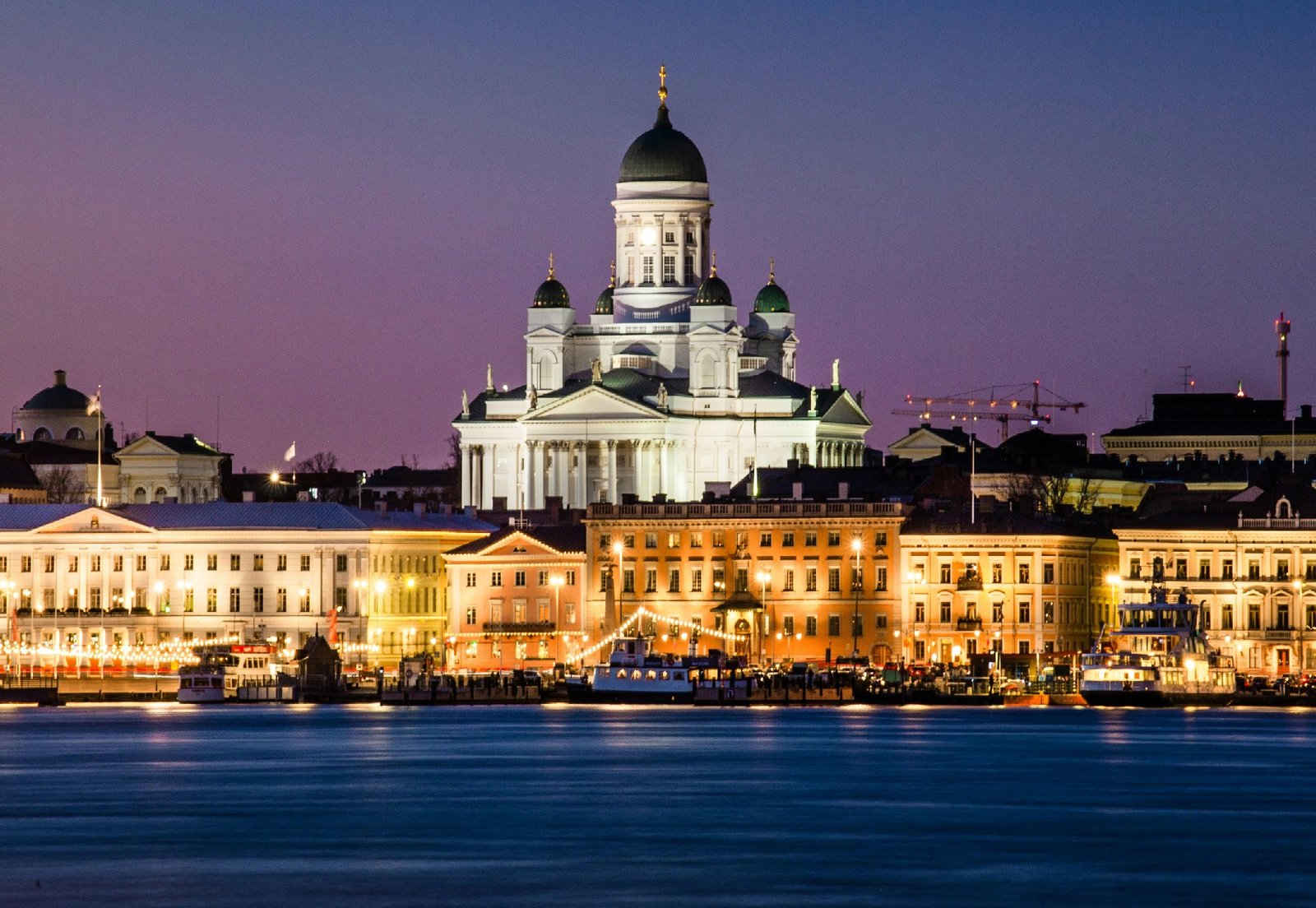
advocacy plays a crucial role in ensuring the protection of human rights, promoting social justice, and creating positive change in society. In both Bangladesh and Helsinki, Finland, individuals and organizations engage in advocacy efforts to address various issues and bring about improvements in their respective communities. Bangladesh, a South Asian country with a population of over 160 million people, faces numerous challenges, including poverty, gender inequality, and political instability. In this context, advocacy initiatives are essential for advocating for the rights of marginalized groups, such as women, children, and minority communities. Organizations like the Bangladesh Legal Aid and Services Trust (BLAST) and Ain o Salish Kendra (ASK) work tirelessly to provide legal support to vulnerable populations, raise awareness about human rights violations, and advocate for policy changes to improve the overall human rights situation in the country. On the other hand, Helsinki, the capital city of Finland, is known for its progressive social policies, strong emphasis on equality, and robust human rights protections. Despite its relatively favorable human rights record, advocacy remains an important tool for addressing emerging issues and promoting social inclusion. Organizations like Amnesty International Finland and the Finnish Refugee Council focus on advocating for the rights of refugees and asylum seekers, promoting multiculturalism, and combating discrimination in all forms. When comparing advocacy efforts in Bangladesh and Helsinki, some key differences and similarities emerge. In Bangladesh, advocacy often involves challenging existing power structures, lobbying for legal reforms, and raising awareness about systemic injustices. In contrast, advocacy in Helsinki may focus more on monitoring and ensuring the implementation of existing human rights standards, advocating for the rights of specific marginalized groups, and promoting social cohesion in an increasingly diverse society. Despite these differences, both contexts share a common goal of promoting human rights, social justice, and equality. Whether it is advocating for the rights of garment workers in Bangladesh or promoting the integration of refugees in Helsinki, advocacy efforts are essential for creating a more just and inclusive society for all. In conclusion, advocacy in Bangladesh and Helsinki, Finland, plays a vital role in addressing social inequalities, promoting human rights, and fostering positive social change. By amplifying the voices of marginalized communities, holding authorities accountable, and advocating for policy reforms, individuals and organizations in both contexts contribute to building a more equitable and rights-respecting society for all.
Leave a Comment:
SEARCH
Recent News
- The Schengen Zone is a popular travel destination for many tourists looking to explore a multitude of beautiful countries in Europe. From historic landmarks to stunning landscapes, this area offers something for everyone. One unique and stylish item that travelers often pick up as a souvenir is a woolen stole.
- **Exploring Winter Stoles in the Schengen Zone**
- The Schengen Zone, known for its open borders and seamless travel opportunities, is also home to a diverse range of wildlife that requires conservation efforts to ensure their survival. From the majestic brown bears of Slovenia to the elusive lynx of Sweden, the Schengen Zone is rich in biodiversity that must be protected for future generations to enjoy.
- The Schengen Zone and Vancouver's Top Startups: Exploring Innovation Across Borders
- The Schengen Zone and its Impact on Vancouver's Export-Import Industry
- The Schengen Zone is a region in Europe known for its open borders and the ease of travel it offers to the citizens of its member countries. On the other side of the world, in Vancouver, Canada, businesses are flourishing in a diverse and dynamic economy. While these two may seem unrelated at first glance, there are ways in which they intersect and impact each other.
- The Schengen Zone is a region in Europe that consists of 26 countries which have agreed to eliminate border controls between them, allowing for passport-free travel within the zone. This area is a popular destination for many travelers seeking to explore multiple countries without the hassle of border checks.
- The Schengen Zone and UK Government Business Support Programs are two important aspects that can greatly impact businesses operating in the European region. Understanding these concepts and how they can benefit businesses is key to success in today's global economy.
READ MORE
8 months ago Category :

The Schengen Zone is a popular travel destination for many tourists looking to explore a multitude of beautiful countries in Europe. From historic landmarks to stunning landscapes, this area offers something for everyone. One unique and stylish item that travelers often pick up as a souvenir is a woolen stole.
Read More →8 months ago Category :

**Exploring Winter Stoles in the Schengen Zone**
Read More →8 months ago Category :

The Schengen Zone, known for its open borders and seamless travel opportunities, is also home to a diverse range of wildlife that requires conservation efforts to ensure their survival. From the majestic brown bears of Slovenia to the elusive lynx of Sweden, the Schengen Zone is rich in biodiversity that must be protected for future generations to enjoy.
Read More →8 months ago Category :
