Advocacy: A Comparison between Helsinki, Finland and Nigeria
Category : | Sub Category : Posted on 2024-11-05 22:25:23
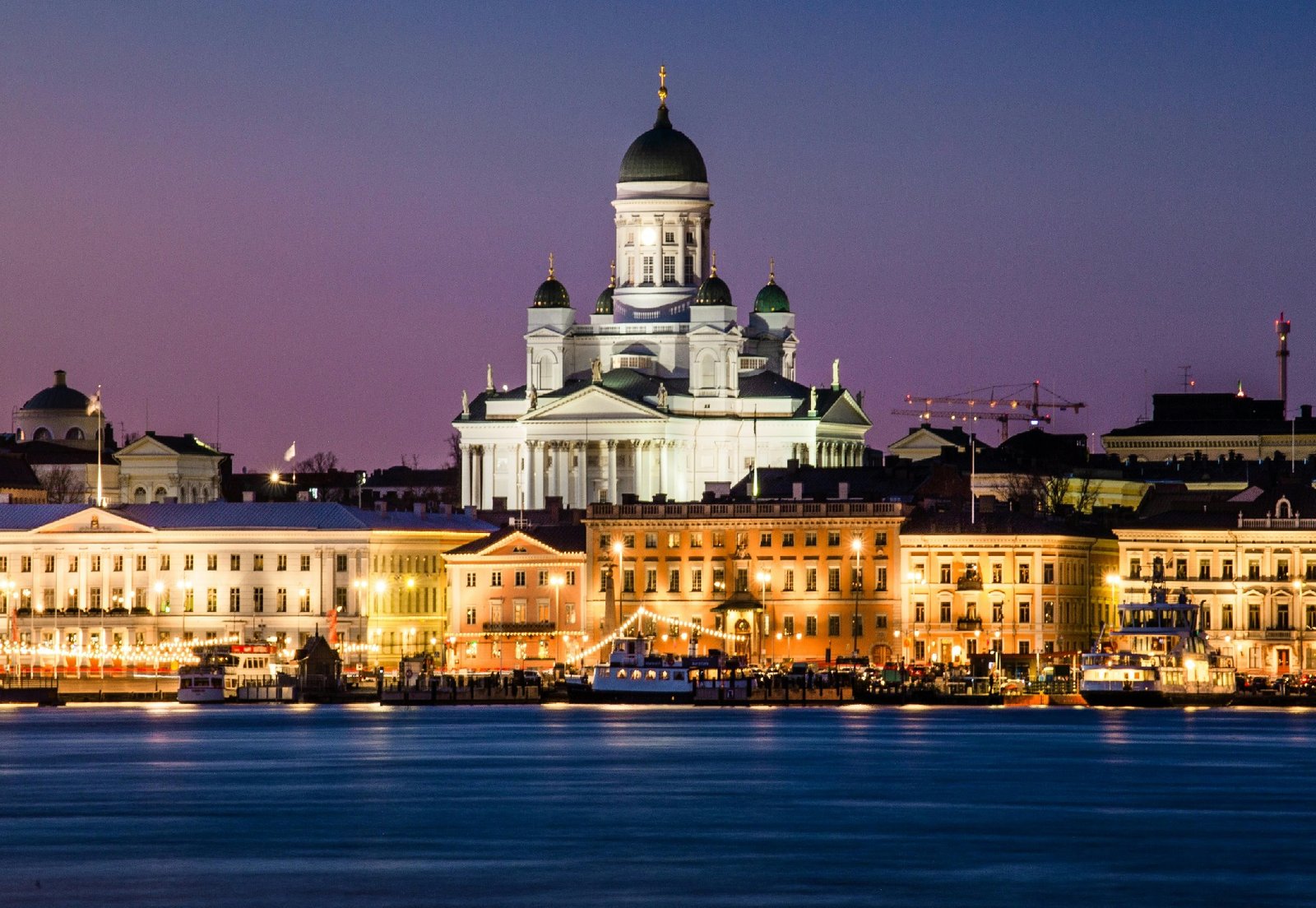
advocacy plays a crucial role in promoting social change, protecting human rights, and advancing the interests of marginalized communities around the world. While advocacy efforts can vary significantly from one country to another, the core objective remains the same - to raise awareness, influence policies, and drive positive change. In this blog post, we will compare advocacy practices in Helsinki, Finland, and Nigeria, two countries with distinct socio-political landscapes and approaches to advocacy. Helsinki, Finland As the capital of Finland, Helsinki boasts a vibrant civil society sector and a longstanding tradition of active citizenship. Advocacy groups in Helsinki often collaborate with government agencies, non-profit organizations, and research institutions to address a wide range of social issues, including gender equality, environmental sustainability, and social welfare. One notable feature of advocacy in Helsinki is the emphasis on evidence-based policymaking. Advocacy organizations frequently use research and data to support their initiatives and engage in constructive dialogue with policymakers and stakeholders. Additionally, Helsinki's advocacy landscape benefits from strong legal protections for freedom of speech and association, enabling advocates to voice their concerns without fear of reprisal. Nigeria In contrast, advocacy in Nigeria is characterized by a complex political environment, widespread corruption, and significant challenges to freedom of expression. Despite these obstacles, Nigerian advocacy groups demonstrate remarkable resilience and creativity in their efforts to drive social change and hold government officials accountable. Advocacy in Nigeria often takes the form of grassroots movements, social media campaigns, and community organizing, as well as legal advocacy through public interest litigation. These efforts have been instrumental in raising awareness about issues such as human rights abuses, electoral integrity, and access to basic services like healthcare and education. However, Nigerian advocates face numerous obstacles, including intimidation, harassment, and restrictions on civic space. Despite these challenges, advocacy groups in Nigeria continue to push for reforms and amplify the voices of marginalized communities through innovative strategies and collective action. Conclusion While advocacy practices in Helsinki, Finland, and Nigeria differ in terms of context, resources, and challenges, both countries demonstrate the power of advocacy in driving positive change and promoting social justice. By understanding these diverse approaches to advocacy, we can learn from each other's experiences, forge new partnerships, and work together to create a more just and equitable society for all.
Leave a Comment:
SEARCH
Recent News
- The Schengen Zone is a popular travel destination for many tourists looking to explore a multitude of beautiful countries in Europe. From historic landmarks to stunning landscapes, this area offers something for everyone. One unique and stylish item that travelers often pick up as a souvenir is a woolen stole.
- **Exploring Winter Stoles in the Schengen Zone**
- The Schengen Zone, known for its open borders and seamless travel opportunities, is also home to a diverse range of wildlife that requires conservation efforts to ensure their survival. From the majestic brown bears of Slovenia to the elusive lynx of Sweden, the Schengen Zone is rich in biodiversity that must be protected for future generations to enjoy.
- The Schengen Zone and Vancouver's Top Startups: Exploring Innovation Across Borders
- The Schengen Zone and its Impact on Vancouver's Export-Import Industry
- The Schengen Zone is a region in Europe known for its open borders and the ease of travel it offers to the citizens of its member countries. On the other side of the world, in Vancouver, Canada, businesses are flourishing in a diverse and dynamic economy. While these two may seem unrelated at first glance, there are ways in which they intersect and impact each other.
- The Schengen Zone is a region in Europe that consists of 26 countries which have agreed to eliminate border controls between them, allowing for passport-free travel within the zone. This area is a popular destination for many travelers seeking to explore multiple countries without the hassle of border checks.
- The Schengen Zone and UK Government Business Support Programs are two important aspects that can greatly impact businesses operating in the European region. Understanding these concepts and how they can benefit businesses is key to success in today's global economy.
READ MORE
8 months ago Category :

The Schengen Zone is a popular travel destination for many tourists looking to explore a multitude of beautiful countries in Europe. From historic landmarks to stunning landscapes, this area offers something for everyone. One unique and stylish item that travelers often pick up as a souvenir is a woolen stole.
Read More →8 months ago Category :

**Exploring Winter Stoles in the Schengen Zone**
Read More →8 months ago Category :

The Schengen Zone, known for its open borders and seamless travel opportunities, is also home to a diverse range of wildlife that requires conservation efforts to ensure their survival. From the majestic brown bears of Slovenia to the elusive lynx of Sweden, the Schengen Zone is rich in biodiversity that must be protected for future generations to enjoy.
Read More →8 months ago Category :
