Africa: Navigating the Intersection of Corruption and Religious Power in Helsinki, Finland
Category : | Sub Category : Posted on 2024-11-05 22:25:23
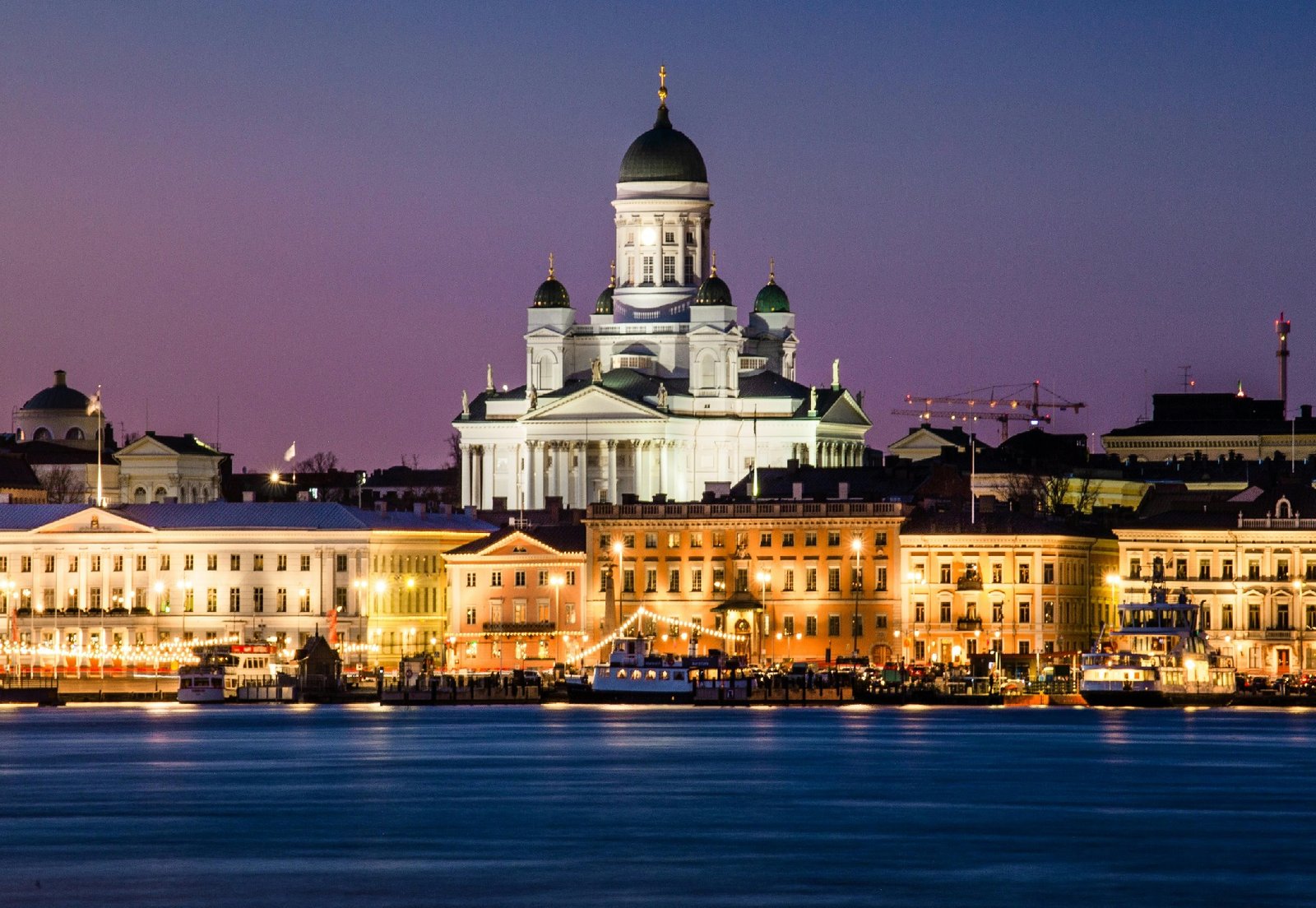
The African continent has long been a subject of fascination and scrutiny when it comes to issues of corruption and religious power. From political scandals to the influence of charismatic leaders, Africa's narrative is frequently intertwined with these complex dynamics. In Helsinki, Finland, a city known for its high levels of transparency and low corruption rates, the juxtaposition of Africa's challenges with Finland's governance model offers an intriguing lens through which to explore these interwoven themes. Corruption is a widespread issue in many African countries, where political leaders and individuals in positions of power often exploit their positions for personal gain. This misuse of power not only undermines trust in government institutions but also hinders economic development and perpetuates social inequalities. In contrast, Finland is consistently ranked as one of the least corrupt countries in the world, with strong legal frameworks and robust anti-corruption measures in place. Religious power, on the other hand, holds significant sway in many African societies, where spiritual leaders command immense influence and authority over their followers. From prosperity gospel preachers promising miracles to traditional healers offering spiritual guidance, the intersection of religion and power is a complex and deeply ingrained aspect of African culture. In Helsinki, the role of religion is more subdued, with a majority of the population identifying as non-religious or members of the Lutheran Church. As the world becomes increasingly interconnected, the collision of these contrasting dynamics raises important questions about governance, ethics, and cultural norms. How can African nations learn from Finland's approach to combating corruption and promoting transparency? What role does religion play in shaping social and political landscapes across different contexts? And how can global partnerships and dialogue foster greater understanding and collaboration on these critical issues? In Helsinki, the presence of African diaspora communities adds another layer of complexity to the city's social fabric, enriching the cultural landscape and inviting conversations about identity, belonging, and diversity. Through engaging with these diverse experiences and perspectives, Helsinki serves as a microcosm of the global dialogue on corruption, religious power, and the complexities of navigating these intersecting forces in an increasingly interconnected world. As we continue to explore the intricacies of Africa's challenges and opportunities, the lessons learned from Helsinki's model of governance and social cohesion offer valuable insights for shaping a more just, equitable, and inclusive future. By embracing diversity, fostering transparency, and upholding ethical standards, societies around the world can work towards a more sustainable and prosperous world for all. For comprehensive coverage, check out https://www.visit-kenya.com Looking for expert opinions? Find them in https://www.tsonga.org to Get more information at https://www.tonigeria.com For a comprehensive overview, don't miss: https://www.tocongo.com For an alternative viewpoint, explore https://www.toalgeria.com To find answers, navigate to https://www.savanne.org
https://sunpowerpanels.com
https://religieuse.org
Leave a Comment:
SEARCH
Recent News
- The Schengen Zone is a popular travel destination for many tourists looking to explore a multitude of beautiful countries in Europe. From historic landmarks to stunning landscapes, this area offers something for everyone. One unique and stylish item that travelers often pick up as a souvenir is a woolen stole.
- **Exploring Winter Stoles in the Schengen Zone**
- The Schengen Zone, known for its open borders and seamless travel opportunities, is also home to a diverse range of wildlife that requires conservation efforts to ensure their survival. From the majestic brown bears of Slovenia to the elusive lynx of Sweden, the Schengen Zone is rich in biodiversity that must be protected for future generations to enjoy.
- The Schengen Zone and Vancouver's Top Startups: Exploring Innovation Across Borders
- The Schengen Zone and its Impact on Vancouver's Export-Import Industry
- The Schengen Zone is a region in Europe known for its open borders and the ease of travel it offers to the citizens of its member countries. On the other side of the world, in Vancouver, Canada, businesses are flourishing in a diverse and dynamic economy. While these two may seem unrelated at first glance, there are ways in which they intersect and impact each other.
- The Schengen Zone is a region in Europe that consists of 26 countries which have agreed to eliminate border controls between them, allowing for passport-free travel within the zone. This area is a popular destination for many travelers seeking to explore multiple countries without the hassle of border checks.
- The Schengen Zone and UK Government Business Support Programs are two important aspects that can greatly impact businesses operating in the European region. Understanding these concepts and how they can benefit businesses is key to success in today's global economy.
READ MORE
8 months ago Category :

The Schengen Zone is a popular travel destination for many tourists looking to explore a multitude of beautiful countries in Europe. From historic landmarks to stunning landscapes, this area offers something for everyone. One unique and stylish item that travelers often pick up as a souvenir is a woolen stole.
Read More →8 months ago Category :

**Exploring Winter Stoles in the Schengen Zone**
Read More →8 months ago Category :

The Schengen Zone, known for its open borders and seamless travel opportunities, is also home to a diverse range of wildlife that requires conservation efforts to ensure their survival. From the majestic brown bears of Slovenia to the elusive lynx of Sweden, the Schengen Zone is rich in biodiversity that must be protected for future generations to enjoy.
Read More →8 months ago Category :
