Exploring the Intersection of Blockchain Technology in Algeria and Helsinki, Finland
Category : | Sub Category : Posted on 2024-11-05 22:25:23
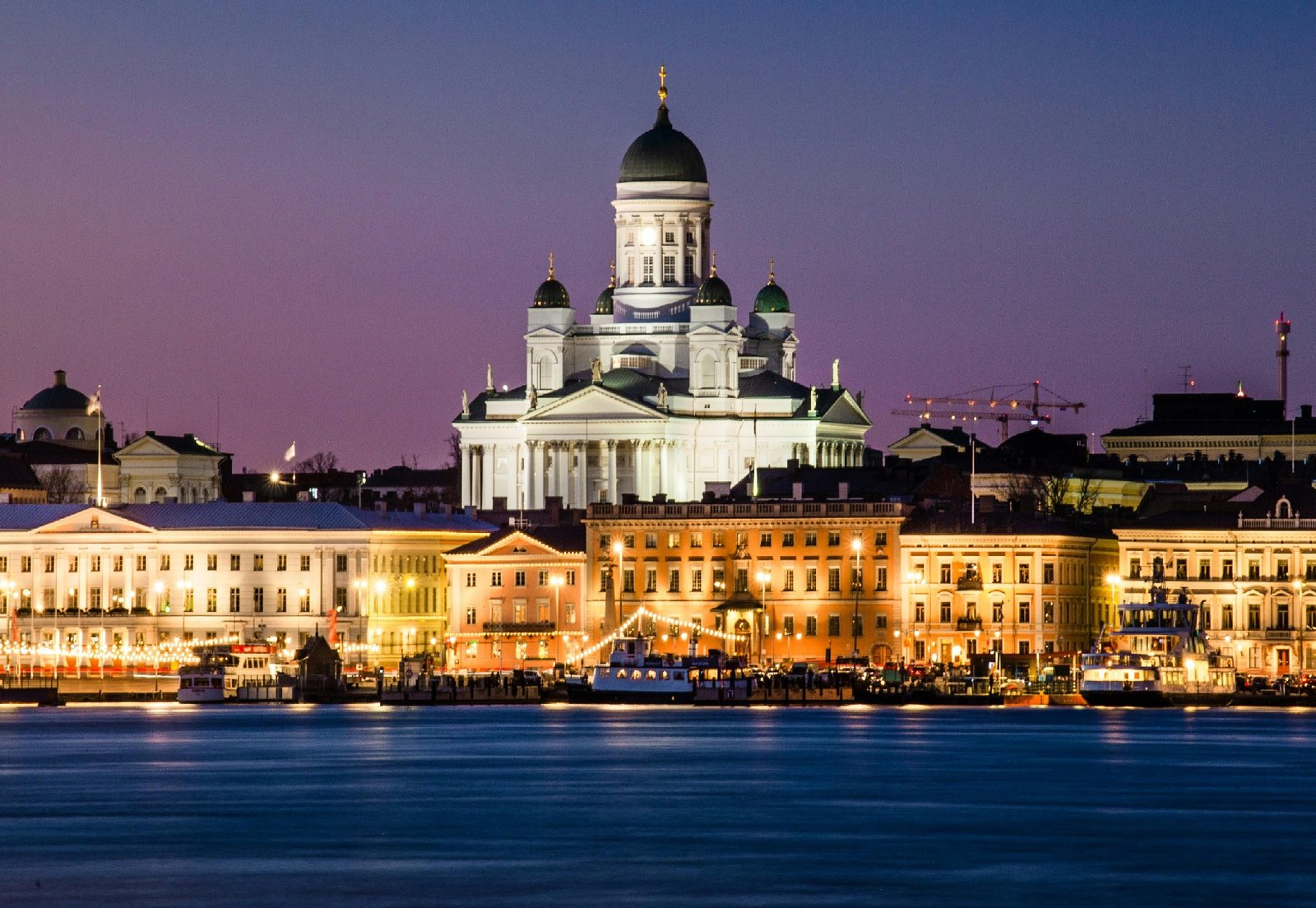
Over the past decade, blockchain technology has revolutionized various industries worldwide, offering unprecedented levels of security, transparency, and efficiency. From finance to healthcare, supply chain management to voting systems, the potential applications of blockchain are vast and far-reaching. In this blog post, we will explore how blockchain technology is making waves in Algeria and Helsinki, Finland, and the unique ways in which these two regions are harnessing its power for economic growth and social innovation. Algeria, a country in North Africa, has shown a growing interest in blockchain technology in recent years. The Algerian government has recognized the potential of blockchain to streamline administrative processes, enhance security, and foster economic growth. In particular, blockchain has the potential to facilitate secure and transparent transactions, reduce bureaucracy, and combat corruption in both the public and private sectors. As a result, the Algerian government has been exploring ways to integrate blockchain technology into various aspects of governance and industry. In Helsinki, the capital city of Finland, blockchain technology is also gaining momentum as a driver of innovation and economic development. Finland has long been known for its strong tech industry and commitment to digitalization, making it a ripe environment for blockchain adoption. In Helsinki, startups and established companies alike are exploring blockchain solutions for supply chain management, digital identity verification, smart contracts, and more. The Finnish government has also been actively involved in supporting blockchain initiatives, recognizing the transformative potential of this technology for the country's economy. One key area where blockchain technology is having a significant impact in both Algeria and Helsinki is in promoting financial inclusion and expanding access to digital services. By leveraging blockchain-based financial platforms, individuals and businesses in underserved communities can gain access to secure and affordable banking services, enable cross-border payments, and participate in the global digital economy. Another exciting application of blockchain technology in both regions is in the realm of sustainability and environmental conservation. By leveraging blockchain for tracking and verifying supply chains, energy consumption, and carbon emissions, Algeria and Helsinki are able to promote greater transparency and accountability in their efforts towards a more sustainable future. In conclusion, the intersection of blockchain technology in Algeria and Helsinki, Finland, represents a promising space for innovation, collaboration, and socio-economic development. As both regions continue to embrace blockchain solutions, we can expect to see new opportunities emerge for businesses, governments, and individuals to thrive in the digital age. By harnessing the power of blockchain technology, Algeria and Helsinki are paving the way for a more secure, transparent, and efficient future for all.
Leave a Comment:
SEARCH
Recent News
- The Schengen Zone is a popular travel destination for many tourists looking to explore a multitude of beautiful countries in Europe. From historic landmarks to stunning landscapes, this area offers something for everyone. One unique and stylish item that travelers often pick up as a souvenir is a woolen stole.
- **Exploring Winter Stoles in the Schengen Zone**
- The Schengen Zone, known for its open borders and seamless travel opportunities, is also home to a diverse range of wildlife that requires conservation efforts to ensure their survival. From the majestic brown bears of Slovenia to the elusive lynx of Sweden, the Schengen Zone is rich in biodiversity that must be protected for future generations to enjoy.
- The Schengen Zone and Vancouver's Top Startups: Exploring Innovation Across Borders
- The Schengen Zone and its Impact on Vancouver's Export-Import Industry
- The Schengen Zone is a region in Europe known for its open borders and the ease of travel it offers to the citizens of its member countries. On the other side of the world, in Vancouver, Canada, businesses are flourishing in a diverse and dynamic economy. While these two may seem unrelated at first glance, there are ways in which they intersect and impact each other.
- The Schengen Zone is a region in Europe that consists of 26 countries which have agreed to eliminate border controls between them, allowing for passport-free travel within the zone. This area is a popular destination for many travelers seeking to explore multiple countries without the hassle of border checks.
- The Schengen Zone and UK Government Business Support Programs are two important aspects that can greatly impact businesses operating in the European region. Understanding these concepts and how they can benefit businesses is key to success in today's global economy.
READ MORE
5 months ago Category :

The Schengen Zone is a popular travel destination for many tourists looking to explore a multitude of beautiful countries in Europe. From historic landmarks to stunning landscapes, this area offers something for everyone. One unique and stylish item that travelers often pick up as a souvenir is a woolen stole.
Read More →5 months ago Category :

**Exploring Winter Stoles in the Schengen Zone**
Read More →5 months ago Category :

The Schengen Zone, known for its open borders and seamless travel opportunities, is also home to a diverse range of wildlife that requires conservation efforts to ensure their survival. From the majestic brown bears of Slovenia to the elusive lynx of Sweden, the Schengen Zone is rich in biodiversity that must be protected for future generations to enjoy.
Read More →5 months ago Category :
