The Fascinating World of Clocks: Comparing Time in Algeria and Helsinki, Finland
Category : | Sub Category : Posted on 2024-11-05 22:25:23
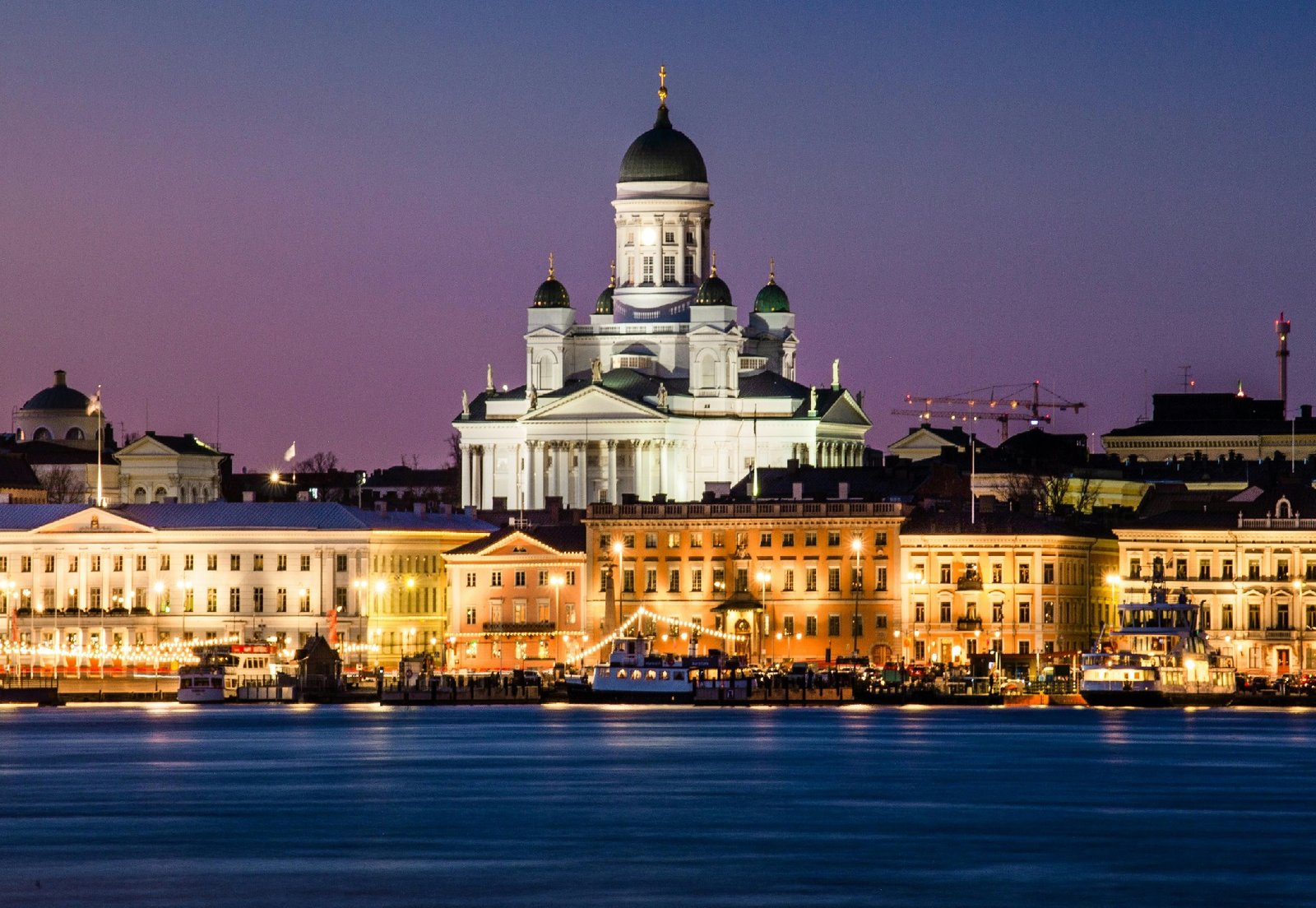
When it comes to keeping track of time, clocks play a crucial role in our daily lives. From telling us when to wake up in the morning to ensuring we're not late for important appointments, clocks help us stay organized and punctual. Let's take a closer look at how time is measured in two different cities - Algeria and Helsinki, Finland. In Algeria, a country located in North Africa, the local time is based on Central European Time (CET), which is UTC+1 hour. This means that Algeria is one hour ahead of Coordinated Universal Time (UTC). The country observes daylight saving time, moving its clocks forward by one hour during the summer months. This adjustment allows residents to make the most of longer daylight hours and enjoy more sunlight in the evenings. On the other hand, Helsinki, the capital city of Finland, follows Eastern European Time (EET), which is UTC+2 hours. Unlike Algeria, Finland also observes daylight saving time but adopts Eastern European Summer Time (EEST), moving its clocks forward by one hour during the summer months. This shift gives residents in Helsinki longer evenings to enjoy outdoor activities and soak up the sun. Despite the geographical distance between Algeria and Helsinki, both cities value the importance of accurate timekeeping. Whether it's to coordinate business meetings, catch public transport, or simply plan daily activities, clocks serve as reliable tools to ensure smooth and efficient operations. In conclusion, while Algeria and Helsinki may have different time zones and daylight saving practices, the essence of time remains constant in both locations. Clocks not only help us navigate our daily routines but also serve as a reminder of the interconnectedness of our global community. So next time you check the time on your clock, take a moment to appreciate the intricate system that keeps us all ticking along smoothly, regardless of where we are in the world.
Leave a Comment:
SEARCH
Recent News
- The Schengen Zone is a popular travel destination for many tourists looking to explore a multitude of beautiful countries in Europe. From historic landmarks to stunning landscapes, this area offers something for everyone. One unique and stylish item that travelers often pick up as a souvenir is a woolen stole.
- **Exploring Winter Stoles in the Schengen Zone**
- The Schengen Zone, known for its open borders and seamless travel opportunities, is also home to a diverse range of wildlife that requires conservation efforts to ensure their survival. From the majestic brown bears of Slovenia to the elusive lynx of Sweden, the Schengen Zone is rich in biodiversity that must be protected for future generations to enjoy.
- The Schengen Zone and Vancouver's Top Startups: Exploring Innovation Across Borders
- The Schengen Zone and its Impact on Vancouver's Export-Import Industry
- The Schengen Zone is a region in Europe known for its open borders and the ease of travel it offers to the citizens of its member countries. On the other side of the world, in Vancouver, Canada, businesses are flourishing in a diverse and dynamic economy. While these two may seem unrelated at first glance, there are ways in which they intersect and impact each other.
- The Schengen Zone is a region in Europe that consists of 26 countries which have agreed to eliminate border controls between them, allowing for passport-free travel within the zone. This area is a popular destination for many travelers seeking to explore multiple countries without the hassle of border checks.
- The Schengen Zone and UK Government Business Support Programs are two important aspects that can greatly impact businesses operating in the European region. Understanding these concepts and how they can benefit businesses is key to success in today's global economy.
READ MORE
5 months ago Category :

The Schengen Zone is a popular travel destination for many tourists looking to explore a multitude of beautiful countries in Europe. From historic landmarks to stunning landscapes, this area offers something for everyone. One unique and stylish item that travelers often pick up as a souvenir is a woolen stole.
Read More →5 months ago Category :

**Exploring Winter Stoles in the Schengen Zone**
Read More →5 months ago Category :

The Schengen Zone, known for its open borders and seamless travel opportunities, is also home to a diverse range of wildlife that requires conservation efforts to ensure their survival. From the majestic brown bears of Slovenia to the elusive lynx of Sweden, the Schengen Zone is rich in biodiversity that must be protected for future generations to enjoy.
Read More →5 months ago Category :
