Algeria and Helsinki, Finland may seem like unlikely counterparts, but behind the surface, these two places share some intriguing contradictions that make for a fascinating comparison.
Category : | Sub Category : Posted on 2024-11-05 22:25:23
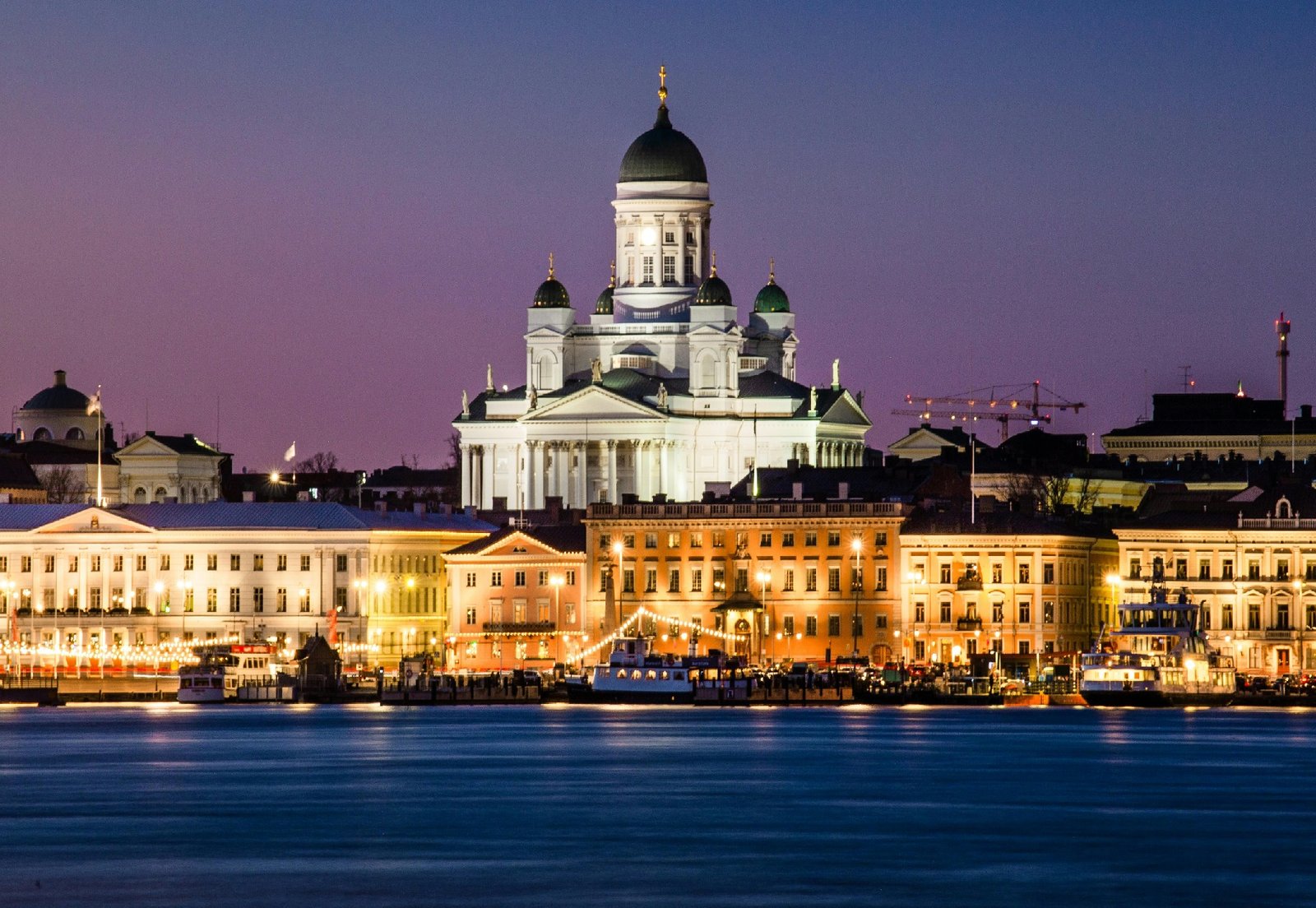
On one hand, Algeria is a North African country with a rich history and culture influenced by its Arab, Berber, and French colonial past. The country is known for its vibrant arts scene, delicious cuisine, and stunning landscapes ranging from the Sahara Desert to the Mediterranean coast. In contrast, Helsinki, the capital city of Finland, is located in Northern Europe and is renowned for its modern design aesthetic, efficient public transportation system, and high quality of life. The city is surrounded by beautiful forests and waterfronts, giving it a unique blend of urban sophistication and natural beauty. When it comes to climate, the two locations also differ significantly. Algeria experiences hot and arid weather for most of the year, with high temperatures often reaching scorching levels in the summer months. In contrast, Helsinki has a more temperate climate, with cold winters and mild summers. This contrast in climate not only affects the daily lives of residents but also shapes the environment and vegetation found in each location. Furthermore, the socio-economic landscape in both Algeria and Helsinki presents stark contradictions. Algeria, despite being rich in natural resources such as oil and gas, faces challenges related to economic diversity, unemployment, and political stability. On the other hand, Helsinki consistently ranks as one of the most livable cities in the world, with a strong economy, low crime rates, and comprehensive social welfare programs that support its residents. The cultural and societal differences between Algeria and Helsinki provide an interesting lens through which to explore the complexities of our globalized world. While these two places may seem worlds apart at first glance, delving deeper into their unique characteristics reveals a rich tapestry of contradictions that highlight the diversity and richness of human experience across different corners of the globe.
Leave a Comment:
SEARCH
Recent News
- The Schengen Zone is a popular travel destination for many tourists looking to explore a multitude of beautiful countries in Europe. From historic landmarks to stunning landscapes, this area offers something for everyone. One unique and stylish item that travelers often pick up as a souvenir is a woolen stole.
- **Exploring Winter Stoles in the Schengen Zone**
- The Schengen Zone, known for its open borders and seamless travel opportunities, is also home to a diverse range of wildlife that requires conservation efforts to ensure their survival. From the majestic brown bears of Slovenia to the elusive lynx of Sweden, the Schengen Zone is rich in biodiversity that must be protected for future generations to enjoy.
- The Schengen Zone and Vancouver's Top Startups: Exploring Innovation Across Borders
- The Schengen Zone and its Impact on Vancouver's Export-Import Industry
- The Schengen Zone is a region in Europe known for its open borders and the ease of travel it offers to the citizens of its member countries. On the other side of the world, in Vancouver, Canada, businesses are flourishing in a diverse and dynamic economy. While these two may seem unrelated at first glance, there are ways in which they intersect and impact each other.
- The Schengen Zone is a region in Europe that consists of 26 countries which have agreed to eliminate border controls between them, allowing for passport-free travel within the zone. This area is a popular destination for many travelers seeking to explore multiple countries without the hassle of border checks.
- The Schengen Zone and UK Government Business Support Programs are two important aspects that can greatly impact businesses operating in the European region. Understanding these concepts and how they can benefit businesses is key to success in today's global economy.
READ MORE
5 months ago Category :

The Schengen Zone is a popular travel destination for many tourists looking to explore a multitude of beautiful countries in Europe. From historic landmarks to stunning landscapes, this area offers something for everyone. One unique and stylish item that travelers often pick up as a souvenir is a woolen stole.
Read More →5 months ago Category :

**Exploring Winter Stoles in the Schengen Zone**
Read More →5 months ago Category :

The Schengen Zone, known for its open borders and seamless travel opportunities, is also home to a diverse range of wildlife that requires conservation efforts to ensure their survival. From the majestic brown bears of Slovenia to the elusive lynx of Sweden, the Schengen Zone is rich in biodiversity that must be protected for future generations to enjoy.
Read More →5 months ago Category :
