Algeria Cows in Helsinki, Finland: A Unique Agricultural Exchange
Category : | Sub Category : Posted on 2024-11-05 22:25:23
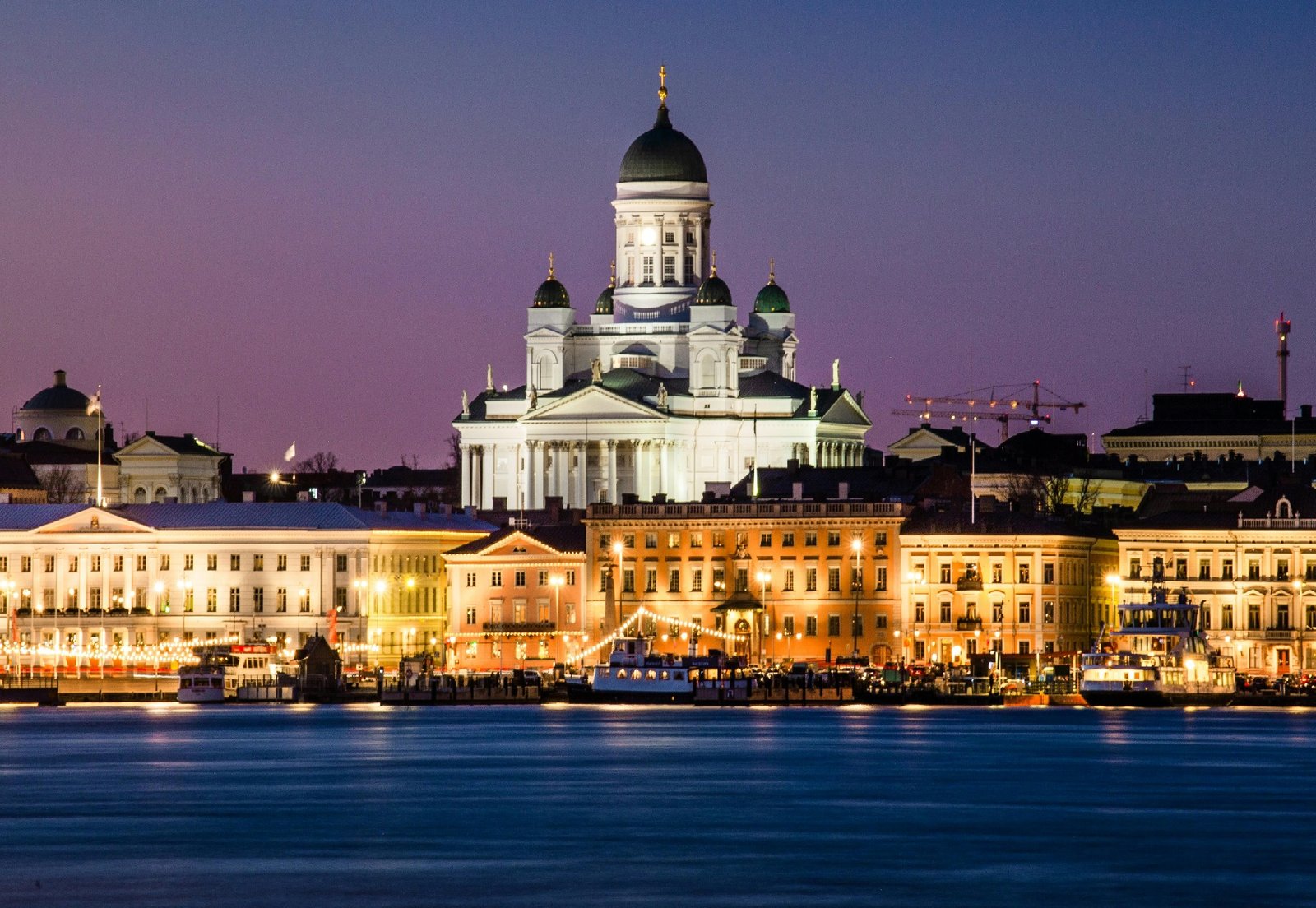
When one thinks of cows, the sprawling pastures of Algeria may come to mind, rather than the bustling urban streets of Helsinki, Finland. However, in a unique agricultural exchange, Algeria cows have found their way to the Finnish capital, creating a fascinating cultural fusion in the heart of Scandinavia. The story of how Algeria cows ended up in Helsinki is an interesting one. It all started with a collaboration between Algerian and Finnish agricultural experts who saw an opportunity to introduce a new breed of cattle to the Finnish farming industry. Known for their resilience in harsh climates and high milk production, Algeria cows have quickly made a name for themselves in the Finnish agriculture scene. Local farmers in Helsinki have embraced the Algeria cows, incorporating them into their dairy operations and breeding programs. The result has been an increase in milk production and the introduction of new genetic traits into the Finnish cattle population. The Algeria cows have adapted well to the Finnish climate, thriving in the cool temperatures and lush green landscapes of the region. Beyond the agricultural benefits, the presence of Algeria cows in Helsinki has also sparked cultural exchange and curiosity among the local community. Residents and visitors alike have taken an interest in these exotic cows, learning about Algerian farming practices and traditions in the process. Additionally, the culinary scene in Helsinki has seen a surge in Algerian-inspired dishes, featuring ingredients such as camel milk and couscous, creating a unique fusion of flavors for food enthusiasts to enjoy. Overall, the introduction of Algeria cows to Helsinki, Finland has been a successful and mutually beneficial endeavor. It has not only enhanced the agricultural landscape of the region but also fostered cross-cultural connections and appreciation for diversity. As the Algeria cows continue to thrive in their new home, they serve as a living symbol of the power of agricultural innovation and international cooperation.
Leave a Comment:
SEARCH
Recent News
- The Schengen Zone is a popular travel destination for many tourists looking to explore a multitude of beautiful countries in Europe. From historic landmarks to stunning landscapes, this area offers something for everyone. One unique and stylish item that travelers often pick up as a souvenir is a woolen stole.
- **Exploring Winter Stoles in the Schengen Zone**
- The Schengen Zone, known for its open borders and seamless travel opportunities, is also home to a diverse range of wildlife that requires conservation efforts to ensure their survival. From the majestic brown bears of Slovenia to the elusive lynx of Sweden, the Schengen Zone is rich in biodiversity that must be protected for future generations to enjoy.
- The Schengen Zone and Vancouver's Top Startups: Exploring Innovation Across Borders
- The Schengen Zone and its Impact on Vancouver's Export-Import Industry
- The Schengen Zone is a region in Europe known for its open borders and the ease of travel it offers to the citizens of its member countries. On the other side of the world, in Vancouver, Canada, businesses are flourishing in a diverse and dynamic economy. While these two may seem unrelated at first glance, there are ways in which they intersect and impact each other.
- The Schengen Zone is a region in Europe that consists of 26 countries which have agreed to eliminate border controls between them, allowing for passport-free travel within the zone. This area is a popular destination for many travelers seeking to explore multiple countries without the hassle of border checks.
- The Schengen Zone and UK Government Business Support Programs are two important aspects that can greatly impact businesses operating in the European region. Understanding these concepts and how they can benefit businesses is key to success in today's global economy.
READ MORE
5 months ago Category :

The Schengen Zone is a popular travel destination for many tourists looking to explore a multitude of beautiful countries in Europe. From historic landmarks to stunning landscapes, this area offers something for everyone. One unique and stylish item that travelers often pick up as a souvenir is a woolen stole.
Read More →5 months ago Category :

**Exploring Winter Stoles in the Schengen Zone**
Read More →5 months ago Category :

The Schengen Zone, known for its open borders and seamless travel opportunities, is also home to a diverse range of wildlife that requires conservation efforts to ensure their survival. From the majestic brown bears of Slovenia to the elusive lynx of Sweden, the Schengen Zone is rich in biodiversity that must be protected for future generations to enjoy.
Read More →5 months ago Category :
