Algeria and Finland are two countries with distinctive cultures, laws, and regulations. In this blog post, we will explore some key aspects of Algeria's legal system and compare them with those of Helsinki, the capital of Finland.
Category : | Sub Category : Posted on 2024-11-05 22:25:23
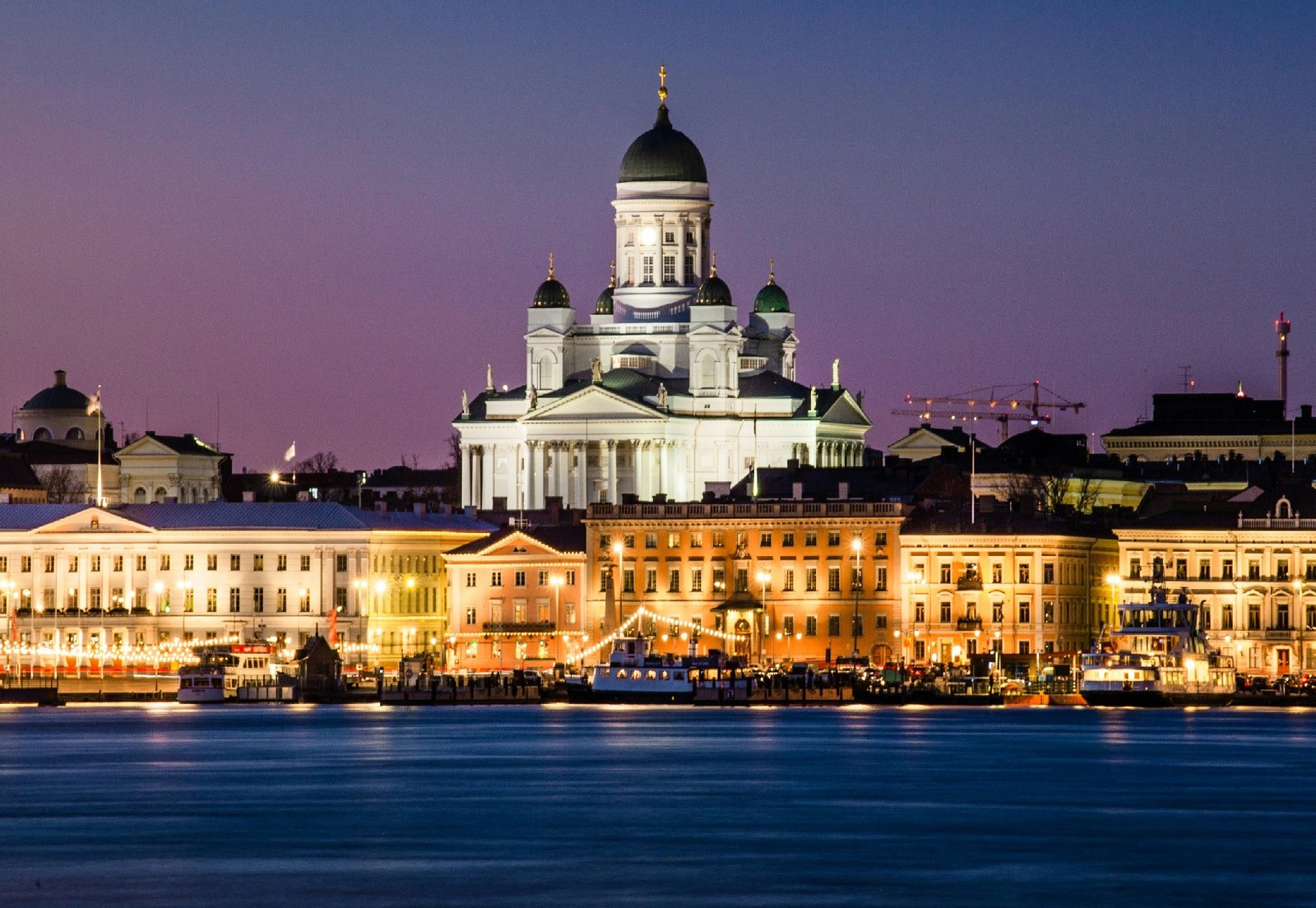
Algeria, located in North Africa, has a civil law system based on French and Islamic law. The country's legal system is influenced by its history of French colonization and Islamic traditions. The Algerian legal system is divided into four main branches: commercial law, criminal law, administrative law, and family law. The judiciary in Algeria is independent, with the Supreme Court being the highest court in the country. In contrast, Helsinki, the capital of Finland, operates under a civil law system that is based on the Swedish legal tradition. Finland has a dual legal system, with civil law and criminal law being separate branches. The Finnish legal system is known for its efficiency and transparency, with a strong emphasis on protecting individual rights and promoting equality. When it comes to regulations, both Algeria and Finland have specific laws governing various aspects of society. In Algeria, there are regulations related to business, taxation, employment, and land ownership. The country's economy is heavily regulated, with laws aimed at promoting local businesses and protecting national interests. In Helsinki, Finland, there are regulations concerning environmental protection, labor rights, and social welfare. Finland is known for its progressive social policies, including generous maternity and paternity leave, universal healthcare, and free education. The country also has strict environmental regulations aimed at preserving its natural resources and reducing carbon emissions. Overall, while Algeria and Finland have distinct legal systems and regulations, both countries are committed to upholding the rule of law and protecting the rights of their citizens. Whether in North Africa or Scandinavia, a strong legal framework is essential for maintaining stability and promoting justice in society.
https://vollmacht.org
Leave a Comment:
SEARCH
Recent News
- The Schengen Zone is a popular travel destination for many tourists looking to explore a multitude of beautiful countries in Europe. From historic landmarks to stunning landscapes, this area offers something for everyone. One unique and stylish item that travelers often pick up as a souvenir is a woolen stole.
- **Exploring Winter Stoles in the Schengen Zone**
- The Schengen Zone, known for its open borders and seamless travel opportunities, is also home to a diverse range of wildlife that requires conservation efforts to ensure their survival. From the majestic brown bears of Slovenia to the elusive lynx of Sweden, the Schengen Zone is rich in biodiversity that must be protected for future generations to enjoy.
- The Schengen Zone and Vancouver's Top Startups: Exploring Innovation Across Borders
- The Schengen Zone and its Impact on Vancouver's Export-Import Industry
- The Schengen Zone is a region in Europe known for its open borders and the ease of travel it offers to the citizens of its member countries. On the other side of the world, in Vancouver, Canada, businesses are flourishing in a diverse and dynamic economy. While these two may seem unrelated at first glance, there are ways in which they intersect and impact each other.
- The Schengen Zone is a region in Europe that consists of 26 countries which have agreed to eliminate border controls between them, allowing for passport-free travel within the zone. This area is a popular destination for many travelers seeking to explore multiple countries without the hassle of border checks.
- The Schengen Zone and UK Government Business Support Programs are two important aspects that can greatly impact businesses operating in the European region. Understanding these concepts and how they can benefit businesses is key to success in today's global economy.
READ MORE
5 months ago Category :

The Schengen Zone is a popular travel destination for many tourists looking to explore a multitude of beautiful countries in Europe. From historic landmarks to stunning landscapes, this area offers something for everyone. One unique and stylish item that travelers often pick up as a souvenir is a woolen stole.
Read More →5 months ago Category :

**Exploring Winter Stoles in the Schengen Zone**
Read More →5 months ago Category :

The Schengen Zone, known for its open borders and seamless travel opportunities, is also home to a diverse range of wildlife that requires conservation efforts to ensure their survival. From the majestic brown bears of Slovenia to the elusive lynx of Sweden, the Schengen Zone is rich in biodiversity that must be protected for future generations to enjoy.
Read More →5 months ago Category :
