Arab Influences in Brussels, Belgium and Helsinki, Finland
Category : | Sub Category : Posted on 2024-11-05 22:25:23
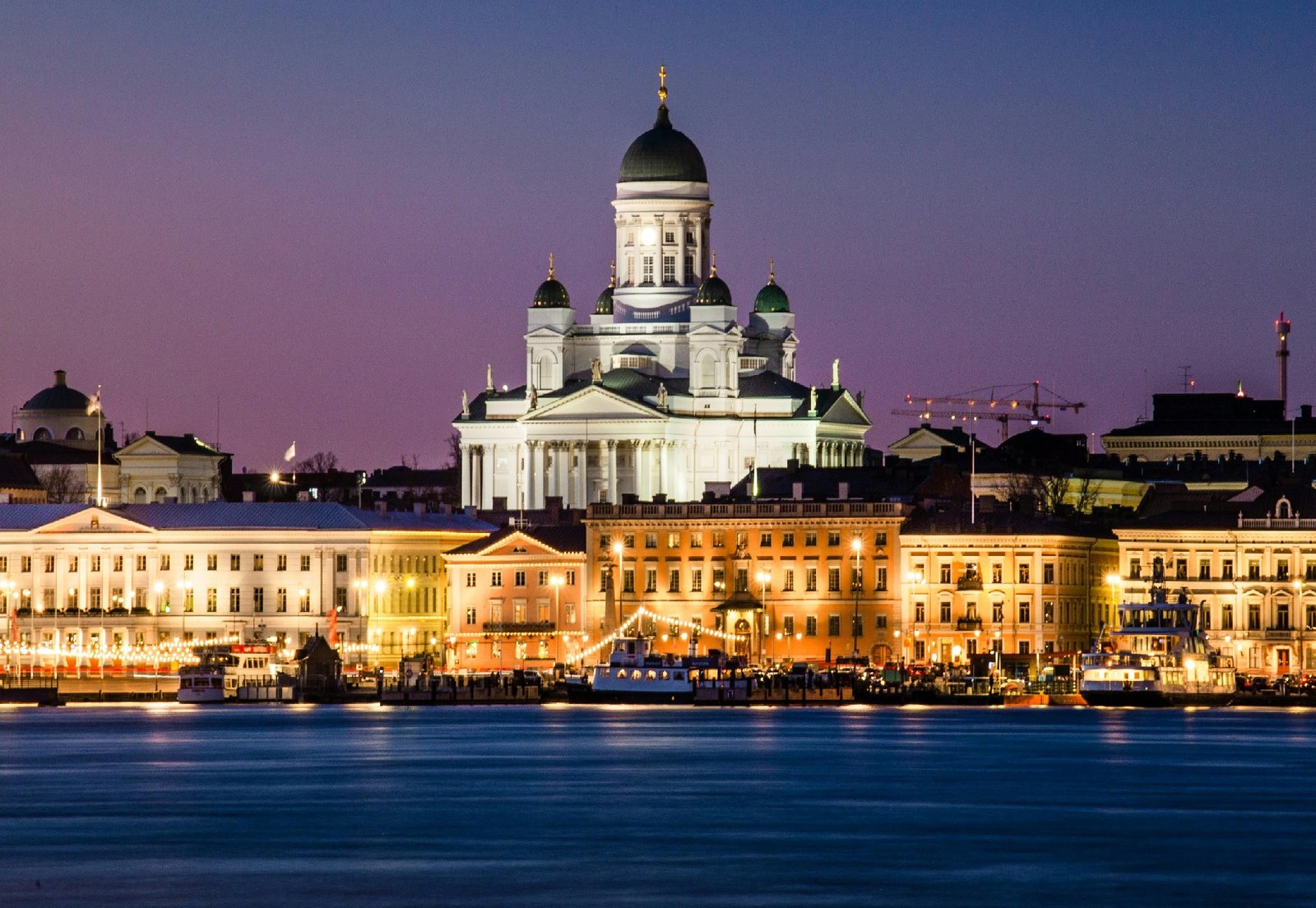
Belgium and Finland may be geographically distant, but both countries have been impacted by Arab influences in their capital cities of Brussels and Helsinki. These influences can be seen in various aspects of the cities, including their architecture, cuisine, and cultural practices. Let's delve into how Arab culture has left its mark on these two European capitals. Brussels, the capital of Belgium, is a vibrant and diverse city that serves as the de facto capital of the European Union. Its rich history of immigration has brought people from all over the world, including a significant Arab population. The Arab presence in Brussels can be felt through its neighborhoods, such as Molenbeek, which is known for its Moroccan community. Arabic is widely spoken in the city, and you can find numerous Middle Eastern restaurants and shops selling traditional goods. The Arab influence is also evident in the stunning architectural marvel, the Great Mosque of Brussels, which stands as a symbol of cultural diversity in the city. Moving north to Finland, the capital city of Helsinki also bears traces of Arab influence. While not as pronounced as in Brussels, Helsinki has seen an increase in Arab immigration in recent years, contributing to the multicultural fabric of the city. This is reflected in the growing number of Middle Eastern restaurants and grocery stores serving the Arab community in Helsinki. The Arab influence can also be seen in the fashion choices of the city's residents, with some opting for traditional Arab attire alongside Western clothing. Moreover, both Brussels and Helsinki host cultural events and festivals that celebrate Arab heritage, fostering an exchange of traditions and ideas between different communities. These events provide a platform for showcasing Arab music, dance, art, and cuisine, further enriching the cultural tapestry of these cities. In conclusion, the Arab influences in Brussels, Belgium, and Helsinki, Finland, highlight the interconnectedness of cultures in an increasingly globalized world. While each city has its unique characteristics, the presence of Arab communities has added depth and diversity to their cultural landscapes. By embracing and celebrating these influences, both cities continue to evolve as multicultural hubs where people from different backgrounds can come together to share and learn from one another.
https://egyptwn.com
Leave a Comment:
SEARCH
Recent News
- The Schengen Zone is a popular travel destination for many tourists looking to explore a multitude of beautiful countries in Europe. From historic landmarks to stunning landscapes, this area offers something for everyone. One unique and stylish item that travelers often pick up as a souvenir is a woolen stole.
- **Exploring Winter Stoles in the Schengen Zone**
- The Schengen Zone, known for its open borders and seamless travel opportunities, is also home to a diverse range of wildlife that requires conservation efforts to ensure their survival. From the majestic brown bears of Slovenia to the elusive lynx of Sweden, the Schengen Zone is rich in biodiversity that must be protected for future generations to enjoy.
- The Schengen Zone and Vancouver's Top Startups: Exploring Innovation Across Borders
- The Schengen Zone and its Impact on Vancouver's Export-Import Industry
- The Schengen Zone is a region in Europe known for its open borders and the ease of travel it offers to the citizens of its member countries. On the other side of the world, in Vancouver, Canada, businesses are flourishing in a diverse and dynamic economy. While these two may seem unrelated at first glance, there are ways in which they intersect and impact each other.
- The Schengen Zone is a region in Europe that consists of 26 countries which have agreed to eliminate border controls between them, allowing for passport-free travel within the zone. This area is a popular destination for many travelers seeking to explore multiple countries without the hassle of border checks.
- The Schengen Zone and UK Government Business Support Programs are two important aspects that can greatly impact businesses operating in the European region. Understanding these concepts and how they can benefit businesses is key to success in today's global economy.
READ MORE
5 months ago Category :

The Schengen Zone is a popular travel destination for many tourists looking to explore a multitude of beautiful countries in Europe. From historic landmarks to stunning landscapes, this area offers something for everyone. One unique and stylish item that travelers often pick up as a souvenir is a woolen stole.
Read More →5 months ago Category :

**Exploring Winter Stoles in the Schengen Zone**
Read More →5 months ago Category :

The Schengen Zone, known for its open borders and seamless travel opportunities, is also home to a diverse range of wildlife that requires conservation efforts to ensure their survival. From the majestic brown bears of Slovenia to the elusive lynx of Sweden, the Schengen Zone is rich in biodiversity that must be protected for future generations to enjoy.
Read More →5 months ago Category :
