Understanding the Intersection of Corruption and Religious Power in Helsinki, Finland
Category : | Sub Category : Posted on 2024-11-05 22:25:23
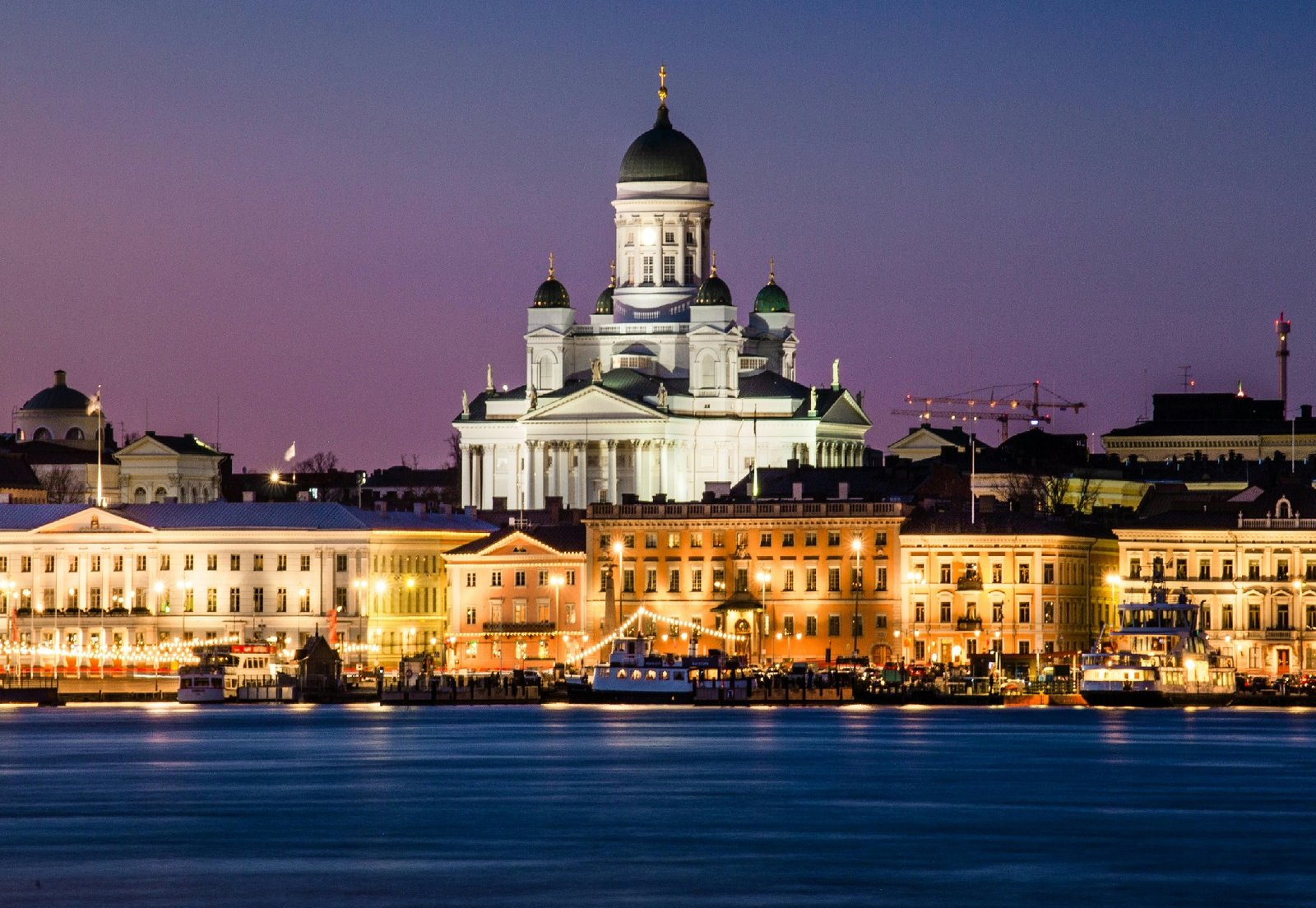
In recent years, the issue of corruption and the influence of religious power have come to the forefront of global conversations. While these topics are often discussed separately, they can intersect in complex ways, shaping societies and impacting individuals in profound ways. Today, we turn our attention to Helsinki, Finland, to explore how these forces operate within this unique context. Helsinki, the capital city of Finland, is known for its progressive and transparent governance. The Finnish government is recognized for its low levels of corruption, ranking consistently high in global corruption perception indices. However, like any society, Helsinki is not immune to issues of corruption, and the intertwining of religious power can further complicate matters. Religious institutions hold significant influence in Helsinki, with a strong Lutheran presence shaping the social fabric of the city. While religion plays a vital role in many aspects of Finnish society, including education and social welfare, there have been instances where this influence has been used to exploit power dynamics and perpetuate corruption. One way in which corruption can manifest in the intersection of religious power in Helsinki is through financial mismanagement within religious organizations. With significant resources at their disposal, religious institutions may face temptations to prioritize profit over ethical practices, leading to embezzlement or fraud. This misuse of funds can not only damage the reputation of the institution but also erode public trust in religious authorities. Another aspect to consider is the potential for religious leaders to abuse their power, exploiting their position for personal gain or to exert control over followers. In some cases, this can lead to instances of misconduct, manipulation, or even criminal behavior, further blurring the lines between religious authority and corruption. Addressing the intersection of corruption and religious power in Helsinki requires a multifaceted approach. Transparency, accountability, and oversight mechanisms are essential to prevent and combat corruption within religious institutions. It is also crucial for religious leaders to uphold ethical standards and prioritize the well-being of their communities above all else. As Helsinki continues to navigate the complexities of corruption and religious power, it is important for individuals and institutions alike to remain vigilant and uphold the values of integrity and honesty. By fostering a culture of transparency and accountability, Helsinki can strive towards a future where corruption and abuse of power hold no place in the fabric of society. To understand this better, read https://www.chatarabonline.com
https://egyptwn.com
https://sunpowerpanels.com
https://religieuse.org
Leave a Comment:
SEARCH
Recent News
- The Schengen Zone is a popular travel destination for many tourists looking to explore a multitude of beautiful countries in Europe. From historic landmarks to stunning landscapes, this area offers something for everyone. One unique and stylish item that travelers often pick up as a souvenir is a woolen stole.
- **Exploring Winter Stoles in the Schengen Zone**
- The Schengen Zone, known for its open borders and seamless travel opportunities, is also home to a diverse range of wildlife that requires conservation efforts to ensure their survival. From the majestic brown bears of Slovenia to the elusive lynx of Sweden, the Schengen Zone is rich in biodiversity that must be protected for future generations to enjoy.
- The Schengen Zone and Vancouver's Top Startups: Exploring Innovation Across Borders
- The Schengen Zone and its Impact on Vancouver's Export-Import Industry
- The Schengen Zone is a region in Europe known for its open borders and the ease of travel it offers to the citizens of its member countries. On the other side of the world, in Vancouver, Canada, businesses are flourishing in a diverse and dynamic economy. While these two may seem unrelated at first glance, there are ways in which they intersect and impact each other.
- The Schengen Zone is a region in Europe that consists of 26 countries which have agreed to eliminate border controls between them, allowing for passport-free travel within the zone. This area is a popular destination for many travelers seeking to explore multiple countries without the hassle of border checks.
- The Schengen Zone and UK Government Business Support Programs are two important aspects that can greatly impact businesses operating in the European region. Understanding these concepts and how they can benefit businesses is key to success in today's global economy.
READ MORE
5 months ago Category :

The Schengen Zone is a popular travel destination for many tourists looking to explore a multitude of beautiful countries in Europe. From historic landmarks to stunning landscapes, this area offers something for everyone. One unique and stylish item that travelers often pick up as a souvenir is a woolen stole.
Read More →5 months ago Category :

**Exploring Winter Stoles in the Schengen Zone**
Read More →5 months ago Category :

The Schengen Zone, known for its open borders and seamless travel opportunities, is also home to a diverse range of wildlife that requires conservation efforts to ensure their survival. From the majestic brown bears of Slovenia to the elusive lynx of Sweden, the Schengen Zone is rich in biodiversity that must be protected for future generations to enjoy.
Read More →5 months ago Category :
