A Comparison of Law and Regulations in Argentina and Helsinki, Finland
Category : | Sub Category : Posted on 2024-11-05 22:25:23
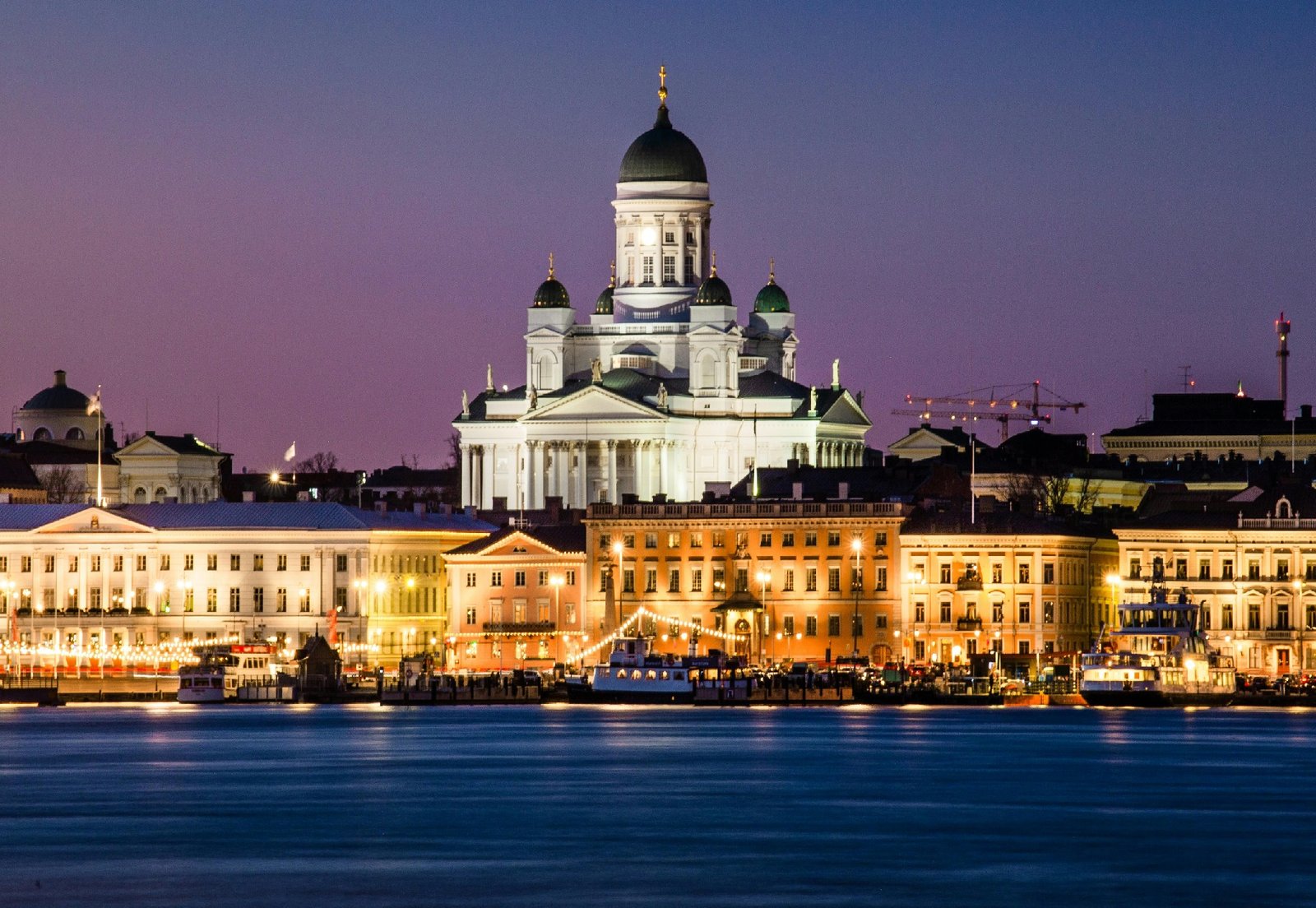
When it comes to law and regulations, different countries around the world have unique systems in place to govern their societies. In this blog post, we will compare the legal frameworks of Argentina and Helsinki, Finland to understand how they differ and what similarities they share. Argentina, a vibrant South American nation, has a civil law legal system based on the Spanish and Roman legal traditions. The country's legal system is governed by the Argentine Constitution, which establishes a federal republic with a division of powers between the executive, legislative, and judicial branches. The Argentine legal system is known for its extensive body of laws and regulations that cover a wide range of areas, including civil law, criminal law, labor law, and commercial law. In contrast, Helsinki, Finland, follows a legal system based on the civil law tradition with influences from the Swedish and German legal systems. Finland is a parliamentary republic with a written constitution that establishes a democratic system of government with a strong emphasis on the rule of law. The Finnish legal system is characterized by its commitment to human rights, equality, and social welfare, with an independent judiciary that upholds the rule of law and ensures the protection of individual rights. One key difference between Argentina and Helsinki, Finland, is their approach to legal education and the legal profession. In Argentina, lawyers are required to complete a law degree and pass a bar exam to practice law, while in Finland, lawyers are trained through a university education program that includes practical training and a bar examination. Additionally, Argentina has a more adversarial legal system where lawyers represent the interests of their clients in court proceedings, while Finland has an inquisitorial legal system where judges play a more active role in investigating and determining the facts of a case. Despite these differences, Argentina and Helsinki, Finland, both have established legal systems that aim to uphold the rule of law, protect individual rights, and ensure justice for all. Both countries have made significant advancements in promoting transparency, accountability, and the rule of law through the development of robust legal frameworks and institutions. In conclusion, while Argentina and Helsinki, Finland, have distinct legal systems rooted in different traditions, they share common goals of promoting justice, upholding the rule of law, and protecting individual rights. By understanding the legal frameworks of these two countries, we can gain insight into the diverse approaches to law and regulations around the world and appreciate the importance of effective legal systems in ensuring the well-being of society.
https://vollmacht.org
Leave a Comment:
SEARCH
Recent News
- The Schengen Zone is a popular travel destination for many tourists looking to explore a multitude of beautiful countries in Europe. From historic landmarks to stunning landscapes, this area offers something for everyone. One unique and stylish item that travelers often pick up as a souvenir is a woolen stole.
- **Exploring Winter Stoles in the Schengen Zone**
- The Schengen Zone, known for its open borders and seamless travel opportunities, is also home to a diverse range of wildlife that requires conservation efforts to ensure their survival. From the majestic brown bears of Slovenia to the elusive lynx of Sweden, the Schengen Zone is rich in biodiversity that must be protected for future generations to enjoy.
- The Schengen Zone and Vancouver's Top Startups: Exploring Innovation Across Borders
- The Schengen Zone and its Impact on Vancouver's Export-Import Industry
- The Schengen Zone is a region in Europe known for its open borders and the ease of travel it offers to the citizens of its member countries. On the other side of the world, in Vancouver, Canada, businesses are flourishing in a diverse and dynamic economy. While these two may seem unrelated at first glance, there are ways in which they intersect and impact each other.
- The Schengen Zone is a region in Europe that consists of 26 countries which have agreed to eliminate border controls between them, allowing for passport-free travel within the zone. This area is a popular destination for many travelers seeking to explore multiple countries without the hassle of border checks.
- The Schengen Zone and UK Government Business Support Programs are two important aspects that can greatly impact businesses operating in the European region. Understanding these concepts and how they can benefit businesses is key to success in today's global economy.
READ MORE
6 months ago Category :

The Schengen Zone is a popular travel destination for many tourists looking to explore a multitude of beautiful countries in Europe. From historic landmarks to stunning landscapes, this area offers something for everyone. One unique and stylish item that travelers often pick up as a souvenir is a woolen stole.
Read More →6 months ago Category :

**Exploring Winter Stoles in the Schengen Zone**
Read More →6 months ago Category :

The Schengen Zone, known for its open borders and seamless travel opportunities, is also home to a diverse range of wildlife that requires conservation efforts to ensure their survival. From the majestic brown bears of Slovenia to the elusive lynx of Sweden, the Schengen Zone is rich in biodiversity that must be protected for future generations to enjoy.
Read More →6 months ago Category :
