Helsinki, the capital city of Finland, is known for its clean and fresh environment. However, like many other cities around the world, Helsinki is not immune to issues of air and water pollution. While the pollution levels in Helsinki are relatively low compared to many other major cities, there are still concerns that need to be addressed.
Category : | Sub Category : Posted on 2025-11-03 22:25:23
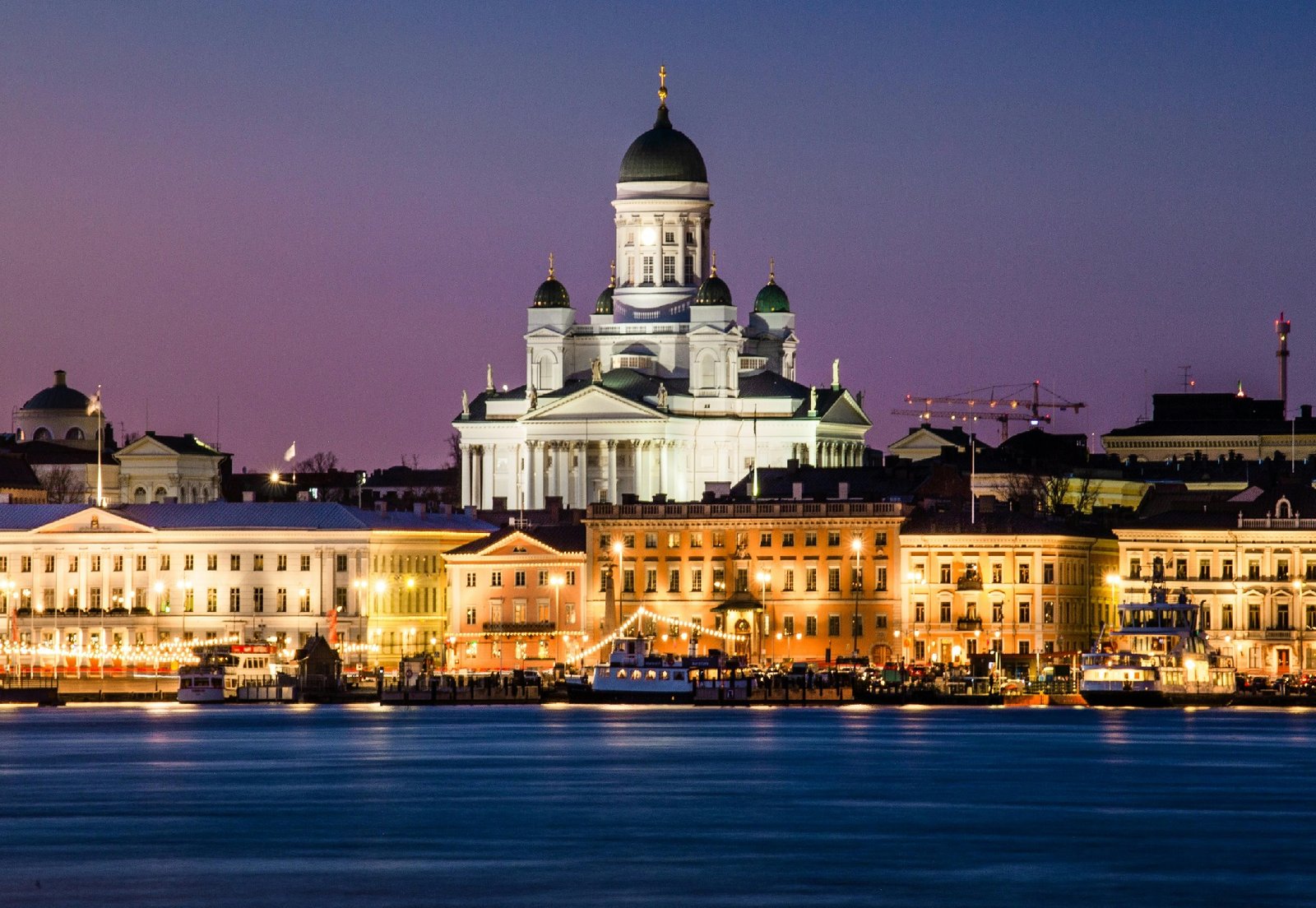
Air pollution in Helsinki mainly comes from traffic emissions, especially during the winter months when the use of heating and transportation increases. The combustion of fossil fuels in vehicles and buildings releases pollutants such as nitrogen dioxide, particulate matter, and sulfur dioxide into the air. These pollutants can have negative impacts on both human health and the environment. In recent years, efforts have been made to reduce air pollution in Helsinki by promoting sustainable transportation options, improving energy efficiency in buildings, and increasing the use of renewable energy sources. Water pollution is another challenge that Helsinki faces, particularly in its coastal areas and water bodies. Urban runoff, industrial discharges, and wastewater treatment plants are some of the sources of water pollution in the city. Pollutants such as nutrients, heavy metals, and microplastics can contaminate the water and harm aquatic ecosystems. To address water pollution, Helsinki has implemented measures such as improving stormwater management, upgrading wastewater treatment facilities, and promoting sustainable land use practices. Despite these efforts, there is still work to be done to further reduce air and water pollution in Helsinki. Continued monitoring and regulation of emissions, as well as public awareness and participation, are essential in ensuring a cleaner and healthier environment for the residents of Helsinki. By working together, the city can continue to progress towards a more sustainable and environmentally-friendly future. Expand your knowledge by perusing https://www.abandonar.org To gain a holistic understanding, refer to https://www.culturelle.org For more information: https://www.departements.org To see the full details, click on: https://www.schengenzone.com Want to gain insights? Start with https://www.regionales.net To get more information check: https://www.nacionalismo.com
Leave a Comment:
SEARCH
Recent News
- The Schengen Zone is a popular travel destination for many tourists looking to explore a multitude of beautiful countries in Europe. From historic landmarks to stunning landscapes, this area offers something for everyone. One unique and stylish item that travelers often pick up as a souvenir is a woolen stole.
- **Exploring Winter Stoles in the Schengen Zone**
- The Schengen Zone, known for its open borders and seamless travel opportunities, is also home to a diverse range of wildlife that requires conservation efforts to ensure their survival. From the majestic brown bears of Slovenia to the elusive lynx of Sweden, the Schengen Zone is rich in biodiversity that must be protected for future generations to enjoy.
- The Schengen Zone and Vancouver's Top Startups: Exploring Innovation Across Borders
- The Schengen Zone and its Impact on Vancouver's Export-Import Industry
- The Schengen Zone is a region in Europe known for its open borders and the ease of travel it offers to the citizens of its member countries. On the other side of the world, in Vancouver, Canada, businesses are flourishing in a diverse and dynamic economy. While these two may seem unrelated at first glance, there are ways in which they intersect and impact each other.
- The Schengen Zone is a region in Europe that consists of 26 countries which have agreed to eliminate border controls between them, allowing for passport-free travel within the zone. This area is a popular destination for many travelers seeking to explore multiple countries without the hassle of border checks.
- The Schengen Zone and UK Government Business Support Programs are two important aspects that can greatly impact businesses operating in the European region. Understanding these concepts and how they can benefit businesses is key to success in today's global economy.
READ MORE
4 months ago Category :

The Schengen Zone is a popular travel destination for many tourists looking to explore a multitude of beautiful countries in Europe. From historic landmarks to stunning landscapes, this area offers something for everyone. One unique and stylish item that travelers often pick up as a souvenir is a woolen stole.
Read More →4 months ago Category :

**Exploring Winter Stoles in the Schengen Zone**
Read More →4 months ago Category :

The Schengen Zone, known for its open borders and seamless travel opportunities, is also home to a diverse range of wildlife that requires conservation efforts to ensure their survival. From the majestic brown bears of Slovenia to the elusive lynx of Sweden, the Schengen Zone is rich in biodiversity that must be protected for future generations to enjoy.
Read More →4 months ago Category :
