Amsterdam Port Customs: A Guide to Clearance Procedures
Category : | Sub Category : Posted on 2025-11-03 22:25:23
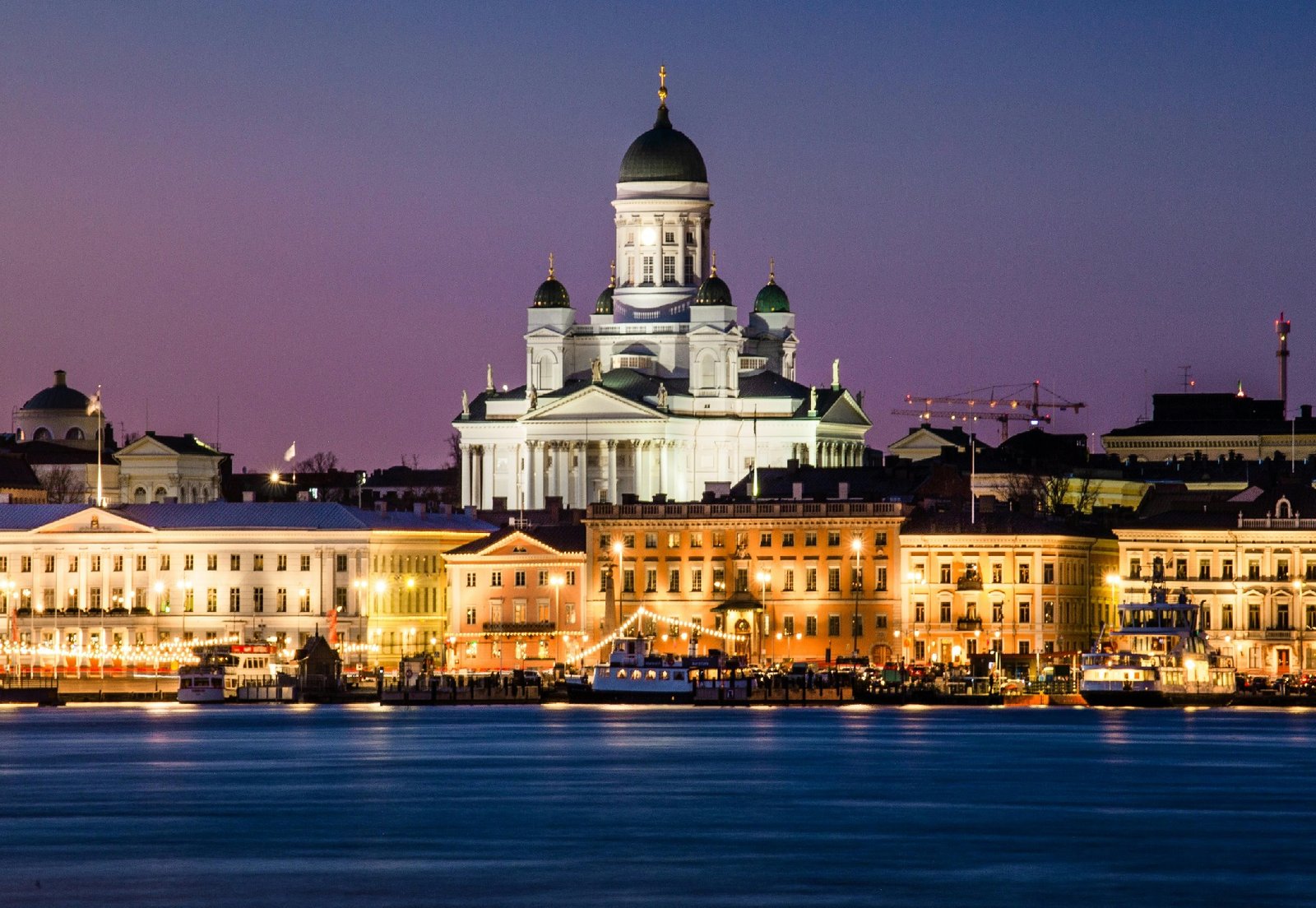
Navigating the waters of international trade can be a complex journey, especially when it comes to customs clearance at ports. In this guide, we'll focus on the customs clearance procedures at the bustling Amsterdam Port in the Netherlands. With its strategic location and state-of-the-art facilities, Amsterdam Port is a key gateway for goods entering and leaving Europe. Before delving into the specifics of customs clearance, let's first understand the importance of this process. Customs clearance is crucial for ensuring that goods comply with all regulations, duties, and taxes before they can enter or exit a country. This process helps protect a country's economy, environment, and citizens while facilitating the smooth flow of international trade. When it comes to Amsterdam Port, having a good grasp of the customs clearance procedures can help streamline your import or export process. Here are some key points to keep in mind: 1. Documentation: Proper documentation is the cornerstone of successful customs clearance. Make sure you have all the necessary paperwork in order, including commercial invoices, packing lists, bill of lading, and any other relevant documents. Failure to provide accurate and complete documentation can lead to delays and penalties. 2. Customs Broker: Consider hiring a customs broker to assist you with the clearance process. A customs broker is a professional who is well-versed in customs regulations and procedures and can help ensure that your goods clear customs smoothly and efficiently. 3. Duties and Taxes: Be aware of the duties and taxes that apply to your goods. Duties are tariffs imposed on imported goods, while taxes vary depending on the type of goods and their value. Make sure you have a clear understanding of these costs to avoid any surprises during the clearance process. 4. Customs Inspection: Your goods may be subject to a physical inspection by customs officials. To expedite this process, ensure that your goods are properly packaged and labeled according to customs regulations. Cooperation with customs officials during inspections is key to a successful clearance. 5. Electronic Customs Clearance: Amsterdam Port offers electronic customs clearance procedures to streamline the process and reduce paperwork. Electronic customs clearance allows for faster processing times and greater efficiency, so consider leveraging this option for your shipments. By familiarizing yourself with the customs clearance procedures at Amsterdam Port and following these best practices, you can navigate the complexities of international trade with confidence. Remember, compliance is key when it comes to customs clearance, so stay informed, prepared, and proactive to ensure a smooth and efficient clearance process for your goods. You can also Have a visit at https://www.indicazioni.com To see the full details, click on: https://www.slovenci.net Want to learn more? Start with: https://www.towarsaw.com Want to gain insights? Start with https://www.tokazakhstan.com Seeking answers? You might find them in https://www.tocopenhagen.com For a broader perspective, don't miss https://www.cruzar.org Expand your knowledge by perusing https://www.abandonar.org To get more information check: https://www.culturelle.org To expand your knowledge, I recommend: https://www.departements.org For an alternative viewpoint, explore https://www.regionales.net To delve deeper into this subject, consider these articles: https://www.isamsterdam.com For additional information, refer to: https://www.nacionalismo.com
Leave a Comment:
SEARCH
Recent News
- The Schengen Zone is a popular travel destination for many tourists looking to explore a multitude of beautiful countries in Europe. From historic landmarks to stunning landscapes, this area offers something for everyone. One unique and stylish item that travelers often pick up as a souvenir is a woolen stole.
- **Exploring Winter Stoles in the Schengen Zone**
- The Schengen Zone, known for its open borders and seamless travel opportunities, is also home to a diverse range of wildlife that requires conservation efforts to ensure their survival. From the majestic brown bears of Slovenia to the elusive lynx of Sweden, the Schengen Zone is rich in biodiversity that must be protected for future generations to enjoy.
- The Schengen Zone and Vancouver's Top Startups: Exploring Innovation Across Borders
- The Schengen Zone and its Impact on Vancouver's Export-Import Industry
- The Schengen Zone is a region in Europe known for its open borders and the ease of travel it offers to the citizens of its member countries. On the other side of the world, in Vancouver, Canada, businesses are flourishing in a diverse and dynamic economy. While these two may seem unrelated at first glance, there are ways in which they intersect and impact each other.
- The Schengen Zone is a region in Europe that consists of 26 countries which have agreed to eliminate border controls between them, allowing for passport-free travel within the zone. This area is a popular destination for many travelers seeking to explore multiple countries without the hassle of border checks.
- The Schengen Zone and UK Government Business Support Programs are two important aspects that can greatly impact businesses operating in the European region. Understanding these concepts and how they can benefit businesses is key to success in today's global economy.
READ MORE
6 months ago Category :

The Schengen Zone is a popular travel destination for many tourists looking to explore a multitude of beautiful countries in Europe. From historic landmarks to stunning landscapes, this area offers something for everyone. One unique and stylish item that travelers often pick up as a souvenir is a woolen stole.
Read More →6 months ago Category :

**Exploring Winter Stoles in the Schengen Zone**
Read More →6 months ago Category :

The Schengen Zone, known for its open borders and seamless travel opportunities, is also home to a diverse range of wildlife that requires conservation efforts to ensure their survival. From the majestic brown bears of Slovenia to the elusive lynx of Sweden, the Schengen Zone is rich in biodiversity that must be protected for future generations to enjoy.
Read More →6 months ago Category :
