**Breaking Barriers: Women in Politics in New Zealand and Helsinki, Finland**
Category : | Sub Category : Posted on 2024-11-05 22:25:23
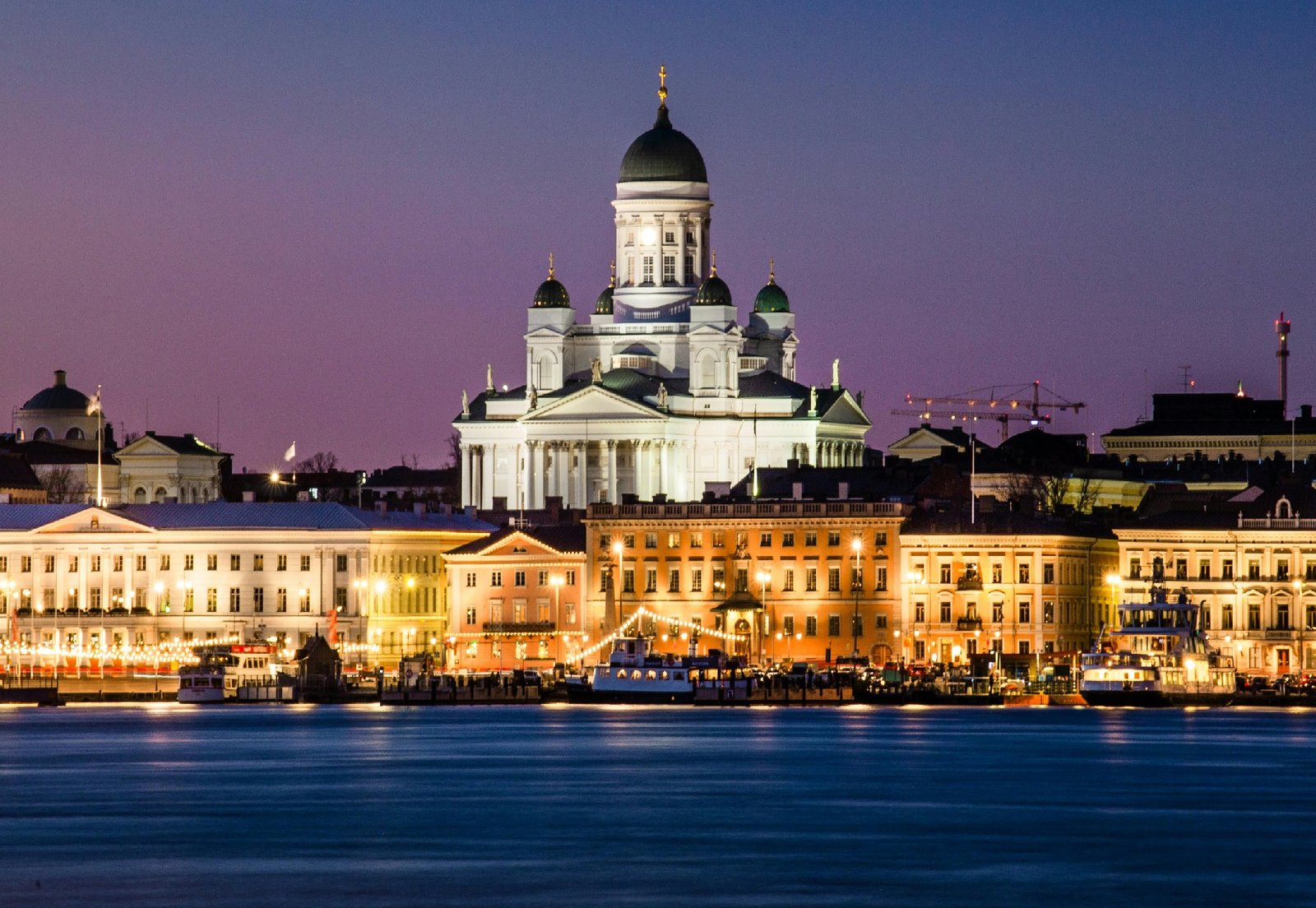
The empowerment and representation of women in politics have been ongoing issues around the world. In countries like New Zealand and Finland, strides have been made to increase the participation of women in governmental decision-making processes. Let's take a closer look at how women are breaking barriers and making strides in the political landscapes of New Zealand and Helsinki, Finland. **New Zealand:** New Zealand has been a trailblazer in terms of women's representation in politics. In 1893, New Zealand became the first self-governing country to grant women the right to vote. Fast forward to the present day, and women continue to make significant progress in the political arena. Currently, women make up around 48% of the New Zealand Parliament, with the country ranking among the top countries for female representation in government. In 2017, Jacinda Ardern made history by becoming New Zealand's third female Prime Minister. Ardern's leadership style, often characterized by empathy and inclusivity, has garnered international acclaim. Her handling of crises such as the Christchurch mosque shootings and the COVID-19 pandemic has further solidified her place as a respected world leader. Despite these advancements, challenges persist for women in New Zealand politics. Issues such as gender-based discrimination, harassment, and unequal treatment continue to hinder the full participation of women in politics. Advocates continue to push for greater gender equality and diversity in political leadership roles. **Helsinki, Finland:** Finland has long been praised for its commitment to gender equality and women's rights. The country consistently ranks high on global indices measuring gender equality, including political representation. In 1907, Finland became the first European country to grant full political rights to women, including the right to stand for election. Today, women play a significant role in Finnish politics, with female politicians holding key positions in the government and parliament. Notably, Sanna Marin made history in 2019 when she became the world's youngest serving Prime Minister at the age of 34. Marin's leadership has been marked by a focus on social issues and sustainability, earning her international recognition. Despite Finland's progress in promoting women in politics, challenges remain. Women in politics continue to face gender stereotypes, societal expectations, and barriers to advancement. Efforts are underway to address these challenges and ensure that women have equal opportunities to participate and lead in the political sphere. In conclusion, the experiences of women in politics in New Zealand and Helsinki, Finland highlight both progress and persistent challenges. While strides have been made towards gender equality and female representation in political leadership, there is still work to be done to ensure that women have equal opportunities to participate, lead, and shape the future of their countries. By breaking barriers and advocating for change, women continue to make their mark in the political landscapes of New Zealand and Finland.
Leave a Comment:
SEARCH
Recent News
- The Schengen Zone is a popular travel destination for many tourists looking to explore a multitude of beautiful countries in Europe. From historic landmarks to stunning landscapes, this area offers something for everyone. One unique and stylish item that travelers often pick up as a souvenir is a woolen stole.
- **Exploring Winter Stoles in the Schengen Zone**
- The Schengen Zone, known for its open borders and seamless travel opportunities, is also home to a diverse range of wildlife that requires conservation efforts to ensure their survival. From the majestic brown bears of Slovenia to the elusive lynx of Sweden, the Schengen Zone is rich in biodiversity that must be protected for future generations to enjoy.
- The Schengen Zone and Vancouver's Top Startups: Exploring Innovation Across Borders
- The Schengen Zone and its Impact on Vancouver's Export-Import Industry
- The Schengen Zone is a region in Europe known for its open borders and the ease of travel it offers to the citizens of its member countries. On the other side of the world, in Vancouver, Canada, businesses are flourishing in a diverse and dynamic economy. While these two may seem unrelated at first glance, there are ways in which they intersect and impact each other.
- The Schengen Zone is a region in Europe that consists of 26 countries which have agreed to eliminate border controls between them, allowing for passport-free travel within the zone. This area is a popular destination for many travelers seeking to explore multiple countries without the hassle of border checks.
- The Schengen Zone and UK Government Business Support Programs are two important aspects that can greatly impact businesses operating in the European region. Understanding these concepts and how they can benefit businesses is key to success in today's global economy.
READ MORE
4 months ago Category :

The Schengen Zone is a popular travel destination for many tourists looking to explore a multitude of beautiful countries in Europe. From historic landmarks to stunning landscapes, this area offers something for everyone. One unique and stylish item that travelers often pick up as a souvenir is a woolen stole.
Read More →4 months ago Category :

**Exploring Winter Stoles in the Schengen Zone**
Read More →4 months ago Category :

The Schengen Zone, known for its open borders and seamless travel opportunities, is also home to a diverse range of wildlife that requires conservation efforts to ensure their survival. From the majestic brown bears of Slovenia to the elusive lynx of Sweden, the Schengen Zone is rich in biodiversity that must be protected for future generations to enjoy.
Read More →4 months ago Category :
