"Empowering Women in Politics: A Comparison of Rwanda and Helsinki, Finland"
Category : | Sub Category : Posted on 2024-11-05 22:25:23
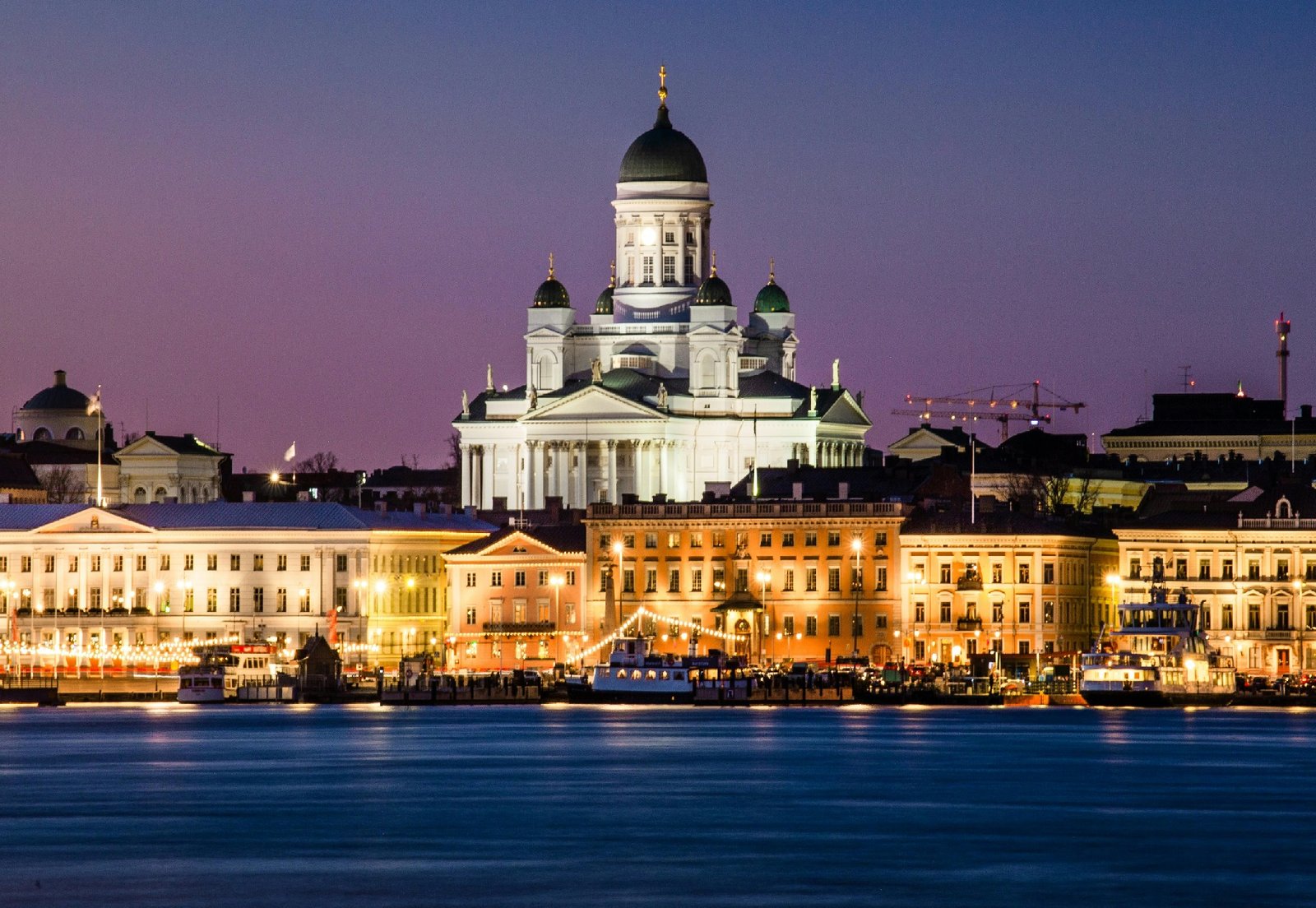
In recent years, the representation of women in politics has become a significant topic of discussion globally. Two countries that have made remarkable strides in this area are Rwanda and Helsinki, Finland. Despite their geographical and cultural differences, both countries have implemented policies and initiatives to empower women in politics. Rwanda, a small African country known for its tragic history of genocide, has emerged as a beacon of hope when it comes to women's political representation. The Rwandan government has implemented a quota system that mandates a minimum of 30% of parliamentary seats to be held by women. As a result, Rwanda boasts one of the highest percentages of women in parliament in the world, with women holding 61% of the seats in the lower house. On the other hand, Helsinki, the capital city of Finland, is known for its progressive approach to gender equality. Finland has consistently ranked high in global gender equality indexes, and this is reflected in its political landscape. The Finnish government has actively encouraged women to participate in politics, leading to a significant increase in the number of women holding political office. In fact, Finland currently has a female prime minister, Sanna Marin, who is the world's youngest sitting head of government. Despite their success in promoting women in politics, both Rwanda and Helsinki face challenges in achieving true gender equality. In Rwanda, cultural norms and stereotypes still persist, limiting the potential for women to reach the highest political offices. In Helsinki, while progress has been made, there is still a gender pay gap and underrepresentation of women in certain fields. Moving forward, both countries can learn from each other's experiences to further empower women in politics. Rwanda can draw inspiration from Helsinki's emphasis on gender equality in all sectors of society, while Helsinki can learn from Rwanda's proactive approach in implementing policies that promote women's political participation. In conclusion, the empowerment of women in politics is vital for creating a more inclusive and representative government. By celebrating the successes of countries like Rwanda and Helsinki, and acknowledging the challenges they still face, we can work towards a future where women have an equal voice in shaping our world. For a deeper dive, visit: https://www.enemigo.org
Leave a Comment:
SEARCH
Recent News
- The Schengen Zone is a popular travel destination for many tourists looking to explore a multitude of beautiful countries in Europe. From historic landmarks to stunning landscapes, this area offers something for everyone. One unique and stylish item that travelers often pick up as a souvenir is a woolen stole.
- **Exploring Winter Stoles in the Schengen Zone**
- The Schengen Zone, known for its open borders and seamless travel opportunities, is also home to a diverse range of wildlife that requires conservation efforts to ensure their survival. From the majestic brown bears of Slovenia to the elusive lynx of Sweden, the Schengen Zone is rich in biodiversity that must be protected for future generations to enjoy.
- The Schengen Zone and Vancouver's Top Startups: Exploring Innovation Across Borders
- The Schengen Zone and its Impact on Vancouver's Export-Import Industry
- The Schengen Zone is a region in Europe known for its open borders and the ease of travel it offers to the citizens of its member countries. On the other side of the world, in Vancouver, Canada, businesses are flourishing in a diverse and dynamic economy. While these two may seem unrelated at first glance, there are ways in which they intersect and impact each other.
- The Schengen Zone is a region in Europe that consists of 26 countries which have agreed to eliminate border controls between them, allowing for passport-free travel within the zone. This area is a popular destination for many travelers seeking to explore multiple countries without the hassle of border checks.
- The Schengen Zone and UK Government Business Support Programs are two important aspects that can greatly impact businesses operating in the European region. Understanding these concepts and how they can benefit businesses is key to success in today's global economy.
READ MORE
4 months ago Category :

The Schengen Zone is a popular travel destination for many tourists looking to explore a multitude of beautiful countries in Europe. From historic landmarks to stunning landscapes, this area offers something for everyone. One unique and stylish item that travelers often pick up as a souvenir is a woolen stole.
Read More →4 months ago Category :

**Exploring Winter Stoles in the Schengen Zone**
Read More →4 months ago Category :

The Schengen Zone, known for its open borders and seamless travel opportunities, is also home to a diverse range of wildlife that requires conservation efforts to ensure their survival. From the majestic brown bears of Slovenia to the elusive lynx of Sweden, the Schengen Zone is rich in biodiversity that must be protected for future generations to enjoy.
Read More →4 months ago Category :
