**Women in Politics: A Comparison between Sweden and Helsinki, Finland**
Category : | Sub Category : Posted on 2024-11-05 22:25:23
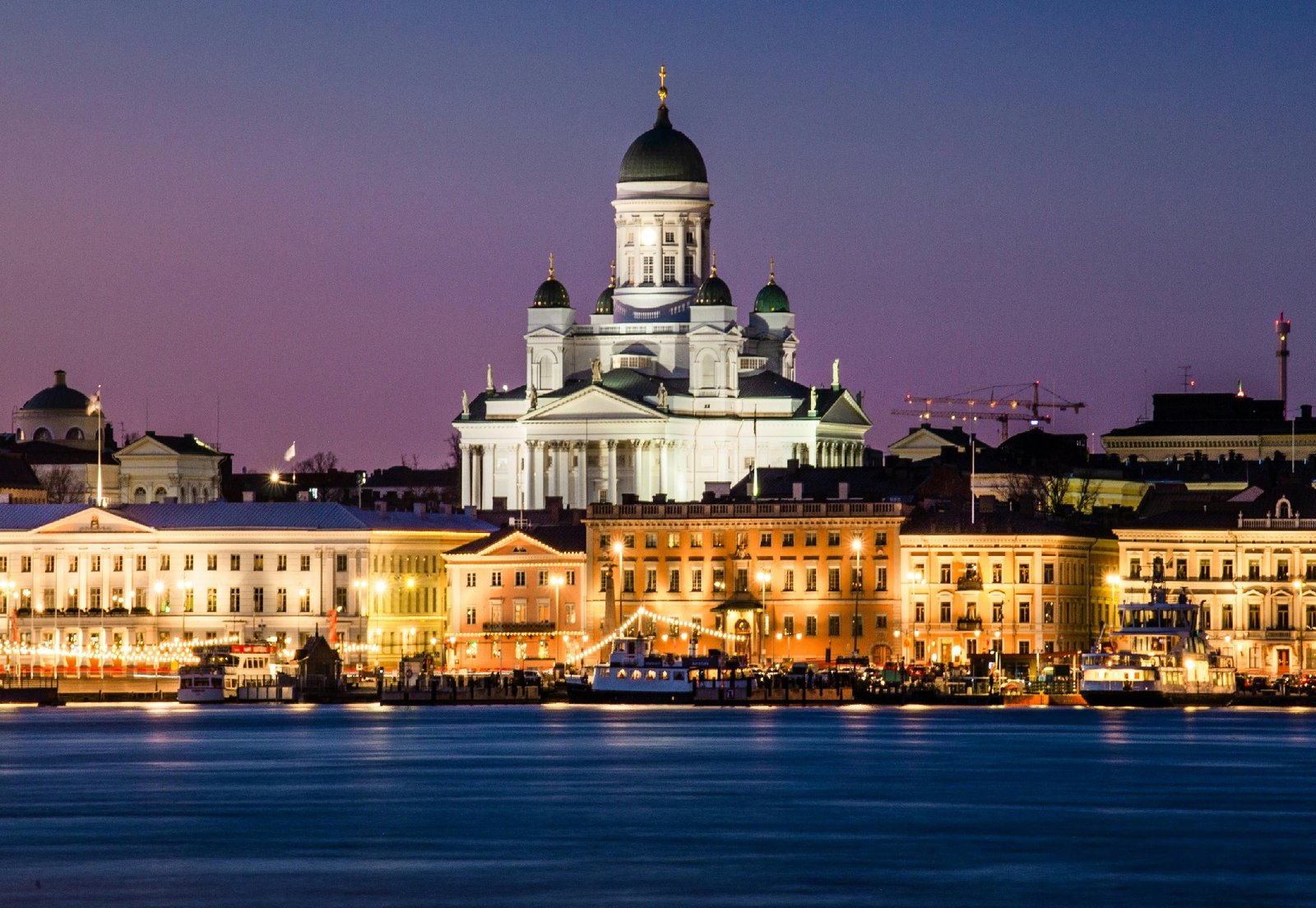
In recent years, there has been a growing focus on increasing female representation in politics around the world. Sweden and Helsinki, Finland are two Scandinavian countries known for their progressiveness and gender equality initiatives. Let's explore the status of women in politics in these two countries and compare their approaches towards achieving gender parity in leadership roles. **Sweden: Pioneering Gender Equality in Politics** Sweden has long been a pioneer in promoting gender equality in all spheres of society, including politics. The country ranks high on the Global Gender Gap Index and has made significant strides in increasing female representation in government. In the 2018 Swedish general election, women accounted for 46% of the members of parliament, one of the highest proportions in the world. The Swedish government has implemented various policies to promote gender equality in politics, such as gender quotas for political parties and initiatives to increase women's participation in decision-making processes. Additionally, Sweden has a feminist foreign policy that aims to promote women's rights and gender equality on a global scale. **Helsinki, Finland: Striving for Gender Parity in Politics** Finland, including its capital city Helsinki, has also been working towards achieving gender parity in politics. The country has a strong tradition of gender equality and ranks high on various gender equality indices. In the 2019 Finnish parliamentary election, women made up 42% of the members of parliament, showing progress but still room for improvement. Like Sweden, Finland has implemented measures to increase female representation in politics, such as gender quotas and support for women in politics at the grassroots level. The Finnish government has also prioritized gender equality in its policies and initiatives, recognizing the importance of women's participation in decision-making processes. **Challenges and Opportunities** While both Sweden and Helsinki, Finland have made significant progress in promoting gender equality in politics, challenges still remain. Women continue to face barriers such as stereotypes, discrimination, and unequal access to resources in their political careers. Addressing these challenges requires ongoing efforts to change societal norms and promote inclusive political systems. Despite the challenges, there are also opportunities for further progress. By continuing to prioritize gender equality in politics, implementing targeted policies, and supporting women's leadership development, both Sweden and Helsinki, Finland can advance towards achieving greater gender parity in political leadership roles. In conclusion, women in politics in Sweden and Helsinki, Finland have made significant strides towards gender equality, but there is still work to be done. By highlighting the achievements and challenges faced by women in politics, we can support efforts to create more inclusive and representative political systems that benefit everyone.
Leave a Comment:
SEARCH
Recent News
- The Schengen Zone is a popular travel destination for many tourists looking to explore a multitude of beautiful countries in Europe. From historic landmarks to stunning landscapes, this area offers something for everyone. One unique and stylish item that travelers often pick up as a souvenir is a woolen stole.
- **Exploring Winter Stoles in the Schengen Zone**
- The Schengen Zone, known for its open borders and seamless travel opportunities, is also home to a diverse range of wildlife that requires conservation efforts to ensure their survival. From the majestic brown bears of Slovenia to the elusive lynx of Sweden, the Schengen Zone is rich in biodiversity that must be protected for future generations to enjoy.
- The Schengen Zone and Vancouver's Top Startups: Exploring Innovation Across Borders
- The Schengen Zone and its Impact on Vancouver's Export-Import Industry
- The Schengen Zone is a region in Europe known for its open borders and the ease of travel it offers to the citizens of its member countries. On the other side of the world, in Vancouver, Canada, businesses are flourishing in a diverse and dynamic economy. While these two may seem unrelated at first glance, there are ways in which they intersect and impact each other.
- The Schengen Zone is a region in Europe that consists of 26 countries which have agreed to eliminate border controls between them, allowing for passport-free travel within the zone. This area is a popular destination for many travelers seeking to explore multiple countries without the hassle of border checks.
- The Schengen Zone and UK Government Business Support Programs are two important aspects that can greatly impact businesses operating in the European region. Understanding these concepts and how they can benefit businesses is key to success in today's global economy.
READ MORE
4 months ago Category :

The Schengen Zone is a popular travel destination for many tourists looking to explore a multitude of beautiful countries in Europe. From historic landmarks to stunning landscapes, this area offers something for everyone. One unique and stylish item that travelers often pick up as a souvenir is a woolen stole.
Read More →4 months ago Category :

**Exploring Winter Stoles in the Schengen Zone**
Read More →4 months ago Category :

The Schengen Zone, known for its open borders and seamless travel opportunities, is also home to a diverse range of wildlife that requires conservation efforts to ensure their survival. From the majestic brown bears of Slovenia to the elusive lynx of Sweden, the Schengen Zone is rich in biodiversity that must be protected for future generations to enjoy.
Read More →4 months ago Category :
