Empowering Urdu Women in Politics: A Look at the Community in Kuwait and Helsinki, Finland
Category : | Sub Category : Posted on 2024-11-05 22:25:23
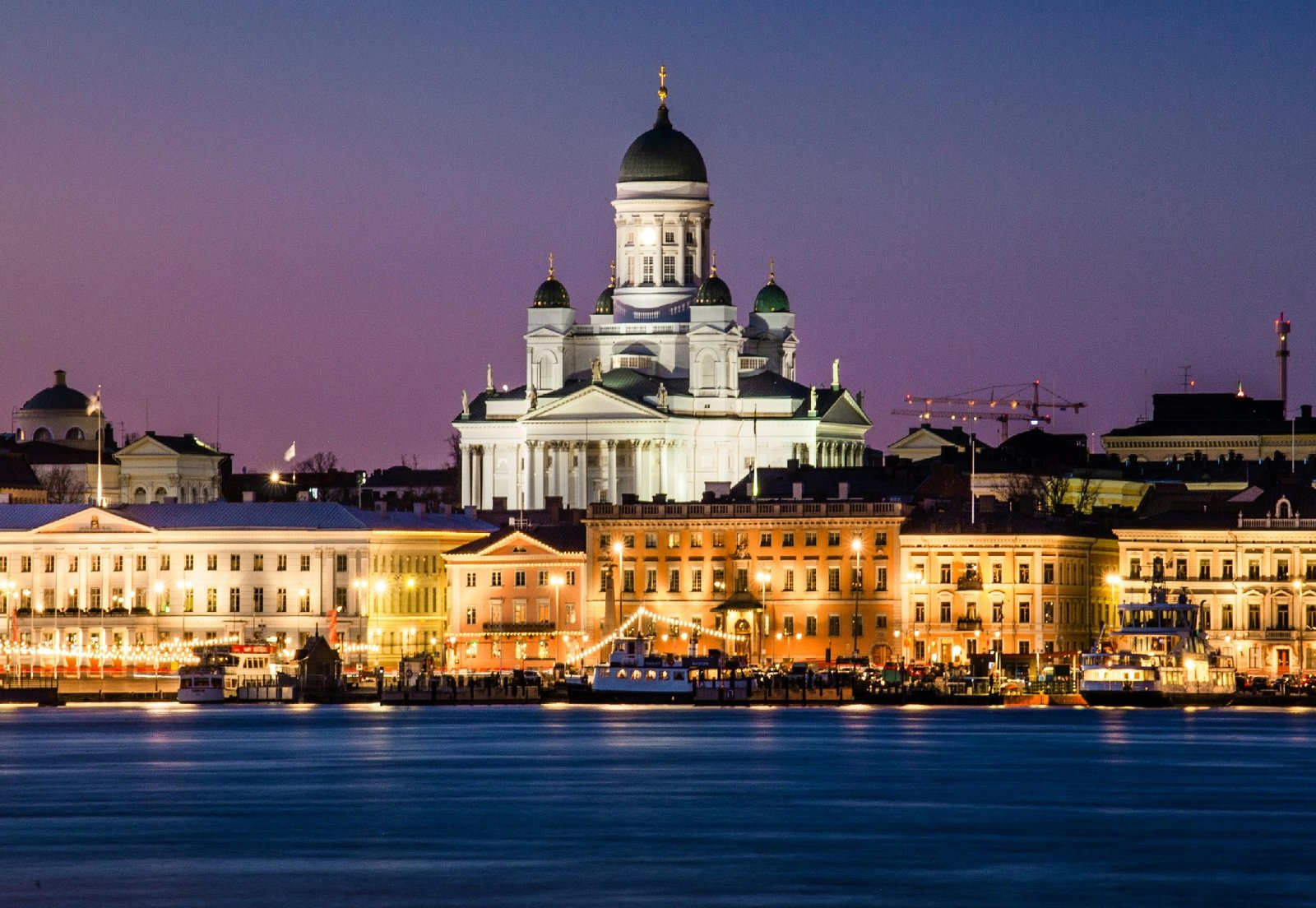
women's representation in politics has been a global issue, with many countries striving for gender equality and increased female participation in decision-making processes. In this blog post, we will focus on the Urdu community in Kuwait and Helsinki, Finland, and explore how women are making inroads into the political sphere in these regions. Kuwait, a country in the Middle East, is known for its rich cultural heritage and diverse expatriate population. The Urdu-speaking community in Kuwait plays a significant role in the country's social fabric, with many individuals actively involved in various sectors, including politics. In recent years, there has been a growing interest among Urdu women in Kuwait to participate in politics and advocate for issues that are important to them. These women are breaking barriers and challenging stereotypes to make their voices heard in a male-dominated field. Similarly, in Helsinki, Finland, home to a thriving Urdu community, women are also stepping up to take on political roles and contribute to the democratic process. Finland is known for its progressive stance on gender equality, and Urdu women in Helsinki are seizing the opportunity to engage in politics and shape policies that impact their community. By running for office, participating in local councils, and raising awareness about key issues, these women are paving the way for future generations of Urdu female leaders. It is essential to recognize the challenges that Urdu women in Kuwait and Helsinki may face when entering the political arena. Cultural norms, societal expectations, and language barriers can pose obstacles to women's political participation. However, through education, advocacy, and mentorship programs, these barriers can be overcome, allowing Urdu women to fully engage in the political process and represent the interests of their community. By empowering Urdu women in politics, we can ensure that diverse voices are heard, perspectives are considered, and policies are inclusive and representative of all members of society. The efforts of Urdu women in Kuwait and Helsinki to participate in politics are a testament to their resilience, determination, and commitment to creating a more equitable and just society for all. In conclusion, the Urdu community in Kuwait and Helsinki, Finland, is witnessing a positive shift towards greater female representation in politics. By supporting and empowering Urdu women to participate in the political process, we can foster a more inclusive and diverse democracy that reflects the needs and aspirations of all community members. Let us continue to champion gender equality and women's empowerment in politics, both in Kuwait and Helsinki, and around the world. Want to know more? Don't forget to read: https://www.enemigo.org
Leave a Comment:
SEARCH
Recent News
- The Schengen Zone is a popular travel destination for many tourists looking to explore a multitude of beautiful countries in Europe. From historic landmarks to stunning landscapes, this area offers something for everyone. One unique and stylish item that travelers often pick up as a souvenir is a woolen stole.
- **Exploring Winter Stoles in the Schengen Zone**
- The Schengen Zone, known for its open borders and seamless travel opportunities, is also home to a diverse range of wildlife that requires conservation efforts to ensure their survival. From the majestic brown bears of Slovenia to the elusive lynx of Sweden, the Schengen Zone is rich in biodiversity that must be protected for future generations to enjoy.
- The Schengen Zone and Vancouver's Top Startups: Exploring Innovation Across Borders
- The Schengen Zone and its Impact on Vancouver's Export-Import Industry
- The Schengen Zone is a region in Europe known for its open borders and the ease of travel it offers to the citizens of its member countries. On the other side of the world, in Vancouver, Canada, businesses are flourishing in a diverse and dynamic economy. While these two may seem unrelated at first glance, there are ways in which they intersect and impact each other.
- The Schengen Zone is a region in Europe that consists of 26 countries which have agreed to eliminate border controls between them, allowing for passport-free travel within the zone. This area is a popular destination for many travelers seeking to explore multiple countries without the hassle of border checks.
- The Schengen Zone and UK Government Business Support Programs are two important aspects that can greatly impact businesses operating in the European region. Understanding these concepts and how they can benefit businesses is key to success in today's global economy.
READ MORE
4 months ago Category :

The Schengen Zone is a popular travel destination for many tourists looking to explore a multitude of beautiful countries in Europe. From historic landmarks to stunning landscapes, this area offers something for everyone. One unique and stylish item that travelers often pick up as a souvenir is a woolen stole.
Read More →4 months ago Category :

**Exploring Winter Stoles in the Schengen Zone**
Read More →4 months ago Category :

The Schengen Zone, known for its open borders and seamless travel opportunities, is also home to a diverse range of wildlife that requires conservation efforts to ensure their survival. From the majestic brown bears of Slovenia to the elusive lynx of Sweden, the Schengen Zone is rich in biodiversity that must be protected for future generations to enjoy.
Read More →4 months ago Category :
