**Exploring Education Systems in Zurich, Switzerland, Cameroon, and Helsinki, Finland**
Category : | Sub Category : Posted on 2024-11-05 22:25:23
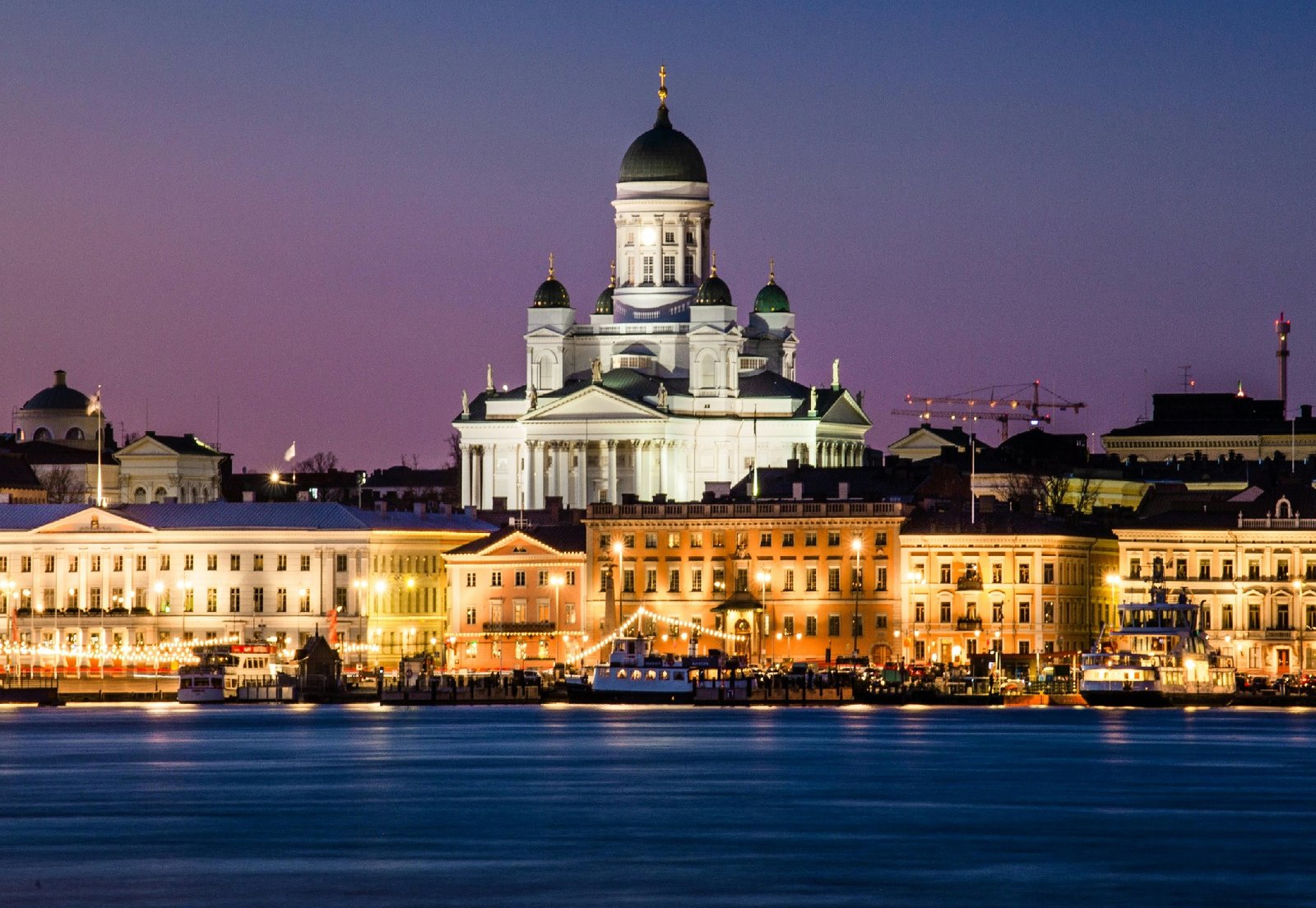
Education is a fundamental pillar of society that shapes the future of nations and individuals. In this blog post, we will delve into the education systems of three distinct regions: Zurich, Switzerland; Cameroon; and Helsinki, Finland. Each of these places offers a unique perspective on how education is structured, delivered, and valued. **Zurich, Switzerland:** Zurich, the largest city in Switzerland, is renowned for its high-quality education system. The Swiss education system is decentralized, with each canton responsible for its schools. In Zurich, education is compulsory for children aged 6 to 15, and the curriculum is designed to foster critical thinking, creativity, and problem-solving skills. Students in Zurich benefit from a well-established vocational education and training (VET) system, which integrates classroom learning with practical work experience. This dual-track approach enables students to acquire hands-on skills and prepares them for the workforce. Additionally, Zurich boasts world-class universities and research institutions, making it a hub for higher education and innovation. **Cameroon:** In contrast, Cameroon faces challenges in its education system, including limited access to quality education, underfunding, and disparities between urban and rural areas. Education in Cameroon is based on the French system, with primary education starting at age 6 and lasting for six years. However, many children, especially in rural areas, struggle to access education due to factors such as poverty, lack of infrastructure, and cultural barriers. Efforts are being made to improve the education system in Cameroon, including government initiatives to increase school enrollment, provide teacher training, and enhance the quality of education. Non-governmental organizations and international partners are also working to support education projects in Cameroon and expand learning opportunities for all children. **Helsinki, Finland:** On the other hand, Helsinki, the capital of Finland, is renowned for its world-class education system and consistently ranks among the top performers in international assessments. Finnish education values equity, individualized learning, and teacher professionalism. Education in Finland is free at all levels, and students enjoy a relaxed learning environment that prioritizes collaboration, creativity, and holistic development. In Helsinki, students start school at age 7 and follow a comprehensive curriculum that emphasizes interdisciplinary learning, critical thinking, and digital skills. Teachers in Finland are highly qualified and trusted professionals who have autonomy in designing their lessons and assessments. This trust-based approach to education fosters a culture of lifelong learning and continuous improvement. In conclusion, education plays a crucial role in shaping the future of societies and individuals. By exploring the education systems of Zurich, Switzerland; Cameroon; and Helsinki, Finland, we gain insights into the strengths, challenges, and opportunities present in different regions. While each place has its unique characteristics, the common goal remains the same: to provide a quality education that empowers learners to thrive in an ever-changing world.
Leave a Comment:
SEARCH
Recent News
- The Schengen Zone is a popular travel destination for many tourists looking to explore a multitude of beautiful countries in Europe. From historic landmarks to stunning landscapes, this area offers something for everyone. One unique and stylish item that travelers often pick up as a souvenir is a woolen stole.
- **Exploring Winter Stoles in the Schengen Zone**
- The Schengen Zone, known for its open borders and seamless travel opportunities, is also home to a diverse range of wildlife that requires conservation efforts to ensure their survival. From the majestic brown bears of Slovenia to the elusive lynx of Sweden, the Schengen Zone is rich in biodiversity that must be protected for future generations to enjoy.
- The Schengen Zone and Vancouver's Top Startups: Exploring Innovation Across Borders
- The Schengen Zone and its Impact on Vancouver's Export-Import Industry
- The Schengen Zone is a region in Europe known for its open borders and the ease of travel it offers to the citizens of its member countries. On the other side of the world, in Vancouver, Canada, businesses are flourishing in a diverse and dynamic economy. While these two may seem unrelated at first glance, there are ways in which they intersect and impact each other.
- The Schengen Zone is a region in Europe that consists of 26 countries which have agreed to eliminate border controls between them, allowing for passport-free travel within the zone. This area is a popular destination for many travelers seeking to explore multiple countries without the hassle of border checks.
- The Schengen Zone and UK Government Business Support Programs are two important aspects that can greatly impact businesses operating in the European region. Understanding these concepts and how they can benefit businesses is key to success in today's global economy.
READ MORE
4 months ago Category :

The Schengen Zone is a popular travel destination for many tourists looking to explore a multitude of beautiful countries in Europe. From historic landmarks to stunning landscapes, this area offers something for everyone. One unique and stylish item that travelers often pick up as a souvenir is a woolen stole.
Read More →4 months ago Category :

**Exploring Winter Stoles in the Schengen Zone**
Read More →4 months ago Category :

The Schengen Zone, known for its open borders and seamless travel opportunities, is also home to a diverse range of wildlife that requires conservation efforts to ensure their survival. From the majestic brown bears of Slovenia to the elusive lynx of Sweden, the Schengen Zone is rich in biodiversity that must be protected for future generations to enjoy.
Read More →4 months ago Category :
