Zurich, Switzerland and Helsinki, Finland are two cities that might seem similar at first glance due to their reputation for efficiency, cleanliness, and high quality of life. However, upon closer inspection, these cities reveal fascinating contradictions that make them unique in their own right.
Category : | Sub Category : Posted on 2024-11-05 22:25:23
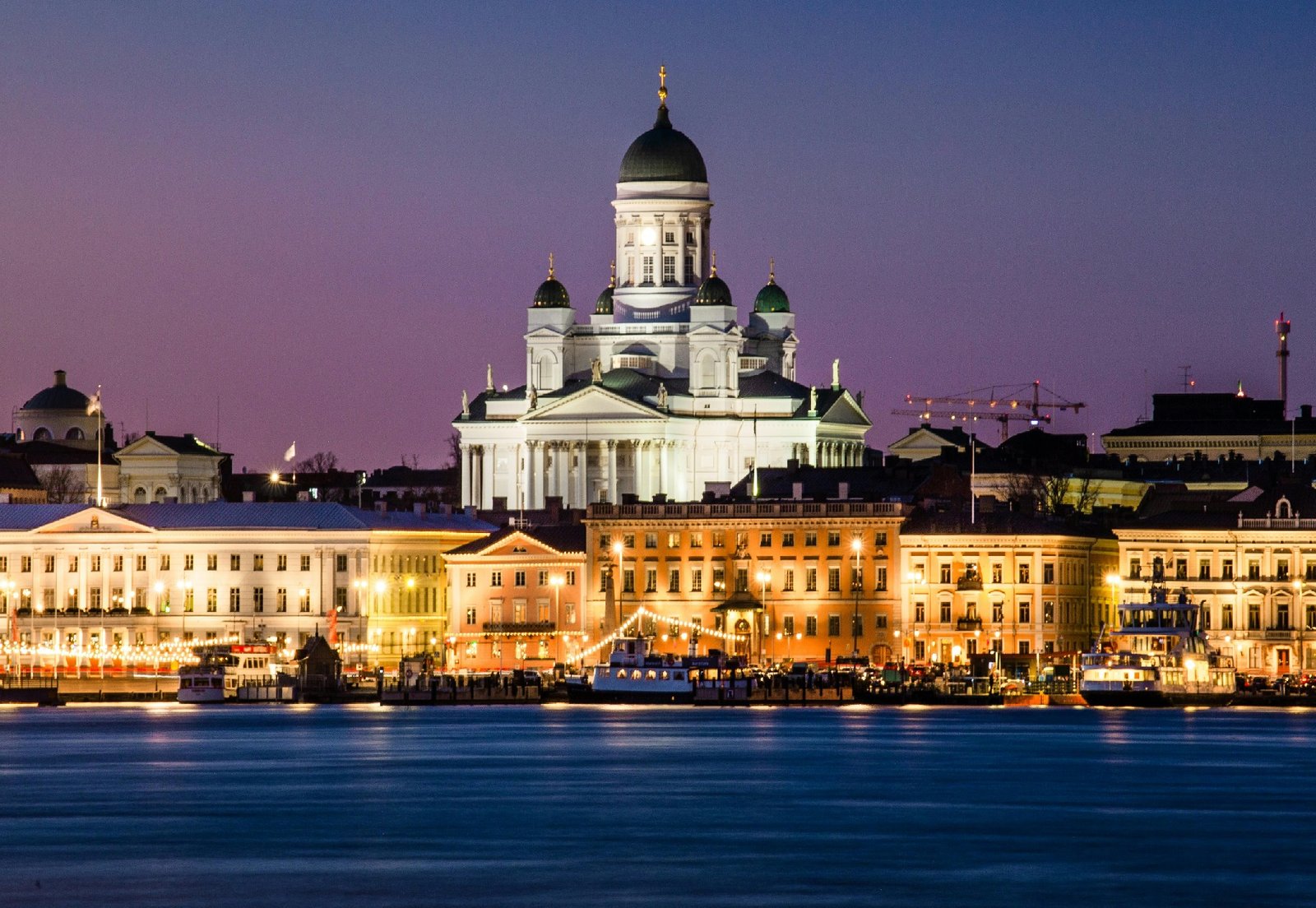
Zurich, the largest city in Switzerland, is known for its luxurious lifestyle, financial power, and stunning landscapes. The city boasts a strong economy, low levels of unemployment, and a bustling cultural scene. On the surface, Zurich exudes wealth and success, with its expensive boutiques, high-end restaurants, and luxurious hotels. However, beneath this glamorous facade lies a city that is also deeply rooted in tradition and pragmatism. In contrast, Helsinki, the capital of Finland, offers a more laid-back and understated vibe. The city is renowned for its innovative design, thriving tech industry, and strong emphasis on sustainability. Helsinki's commitment to nature and the environment is evident in its numerous green spaces, eco-friendly transportation options, and eco-conscious urban planning. Despite its modern outlook, Helsinki has managed to preserve its rich history and cultural heritage, evident in its historic architecture and vibrant arts scene. When comparing Zurich and Helsinki, one of the most striking contradictions is their approach to nature. Zurich, surrounded by the picturesque Swiss Alps and Lake Zurich, is a city where nature and urban living coexist harmoniously. Residents and visitors alike can enjoy outdoor activities such as hiking, skiing, and boating within easy reach of the city center. In contrast, Helsinki's connection to nature is more integrated into the urban fabric, with green spaces, parks, and waterfront areas seamlessly blending with the cityscape. Another notable contrast between Zurich and Helsinki is their cultural identities. Zurich, with its cosmopolitan population and diverse international community, is a melting pot of different cultures and influences. The city's vibrant arts scene, museums, and galleries showcase a rich tapestry of artistic expression from around the world. Helsinki, on the other hand, has a more introspective and understated cultural scene, with a focus on simplicity, minimalism, and functionality in design and architecture. In conclusion, while Zurich and Helsinki share some common traits such as prosperity, innovation, and quality of life, they also embody unique contradictions that set them apart from each other. Zurich dazzles with its opulence and tradition, while Helsinki charms with its simplicity and sustainability. Both cities may seem like polar opposites on the surface, but it is these very contradictions that make them equally fascinating and worth exploring.
Leave a Comment:
SEARCH
Recent News
- The Schengen Zone is a popular travel destination for many tourists looking to explore a multitude of beautiful countries in Europe. From historic landmarks to stunning landscapes, this area offers something for everyone. One unique and stylish item that travelers often pick up as a souvenir is a woolen stole.
- **Exploring Winter Stoles in the Schengen Zone**
- The Schengen Zone, known for its open borders and seamless travel opportunities, is also home to a diverse range of wildlife that requires conservation efforts to ensure their survival. From the majestic brown bears of Slovenia to the elusive lynx of Sweden, the Schengen Zone is rich in biodiversity that must be protected for future generations to enjoy.
- The Schengen Zone and Vancouver's Top Startups: Exploring Innovation Across Borders
- The Schengen Zone and its Impact on Vancouver's Export-Import Industry
- The Schengen Zone is a region in Europe known for its open borders and the ease of travel it offers to the citizens of its member countries. On the other side of the world, in Vancouver, Canada, businesses are flourishing in a diverse and dynamic economy. While these two may seem unrelated at first glance, there are ways in which they intersect and impact each other.
- The Schengen Zone is a region in Europe that consists of 26 countries which have agreed to eliminate border controls between them, allowing for passport-free travel within the zone. This area is a popular destination for many travelers seeking to explore multiple countries without the hassle of border checks.
- The Schengen Zone and UK Government Business Support Programs are two important aspects that can greatly impact businesses operating in the European region. Understanding these concepts and how they can benefit businesses is key to success in today's global economy.
READ MORE
4 months ago Category :

The Schengen Zone is a popular travel destination for many tourists looking to explore a multitude of beautiful countries in Europe. From historic landmarks to stunning landscapes, this area offers something for everyone. One unique and stylish item that travelers often pick up as a souvenir is a woolen stole.
Read More →4 months ago Category :

**Exploring Winter Stoles in the Schengen Zone**
Read More →4 months ago Category :

The Schengen Zone, known for its open borders and seamless travel opportunities, is also home to a diverse range of wildlife that requires conservation efforts to ensure their survival. From the majestic brown bears of Slovenia to the elusive lynx of Sweden, the Schengen Zone is rich in biodiversity that must be protected for future generations to enjoy.
Read More →4 months ago Category :
